Not all artworks have been revealed yet.
Send an email if you’d like be informed when a new one is available.
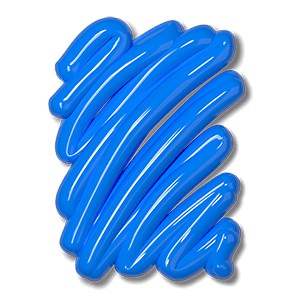
Surprisingly Blue #2
Digital Object60 x 47 x 15 cm
Unique, 2020
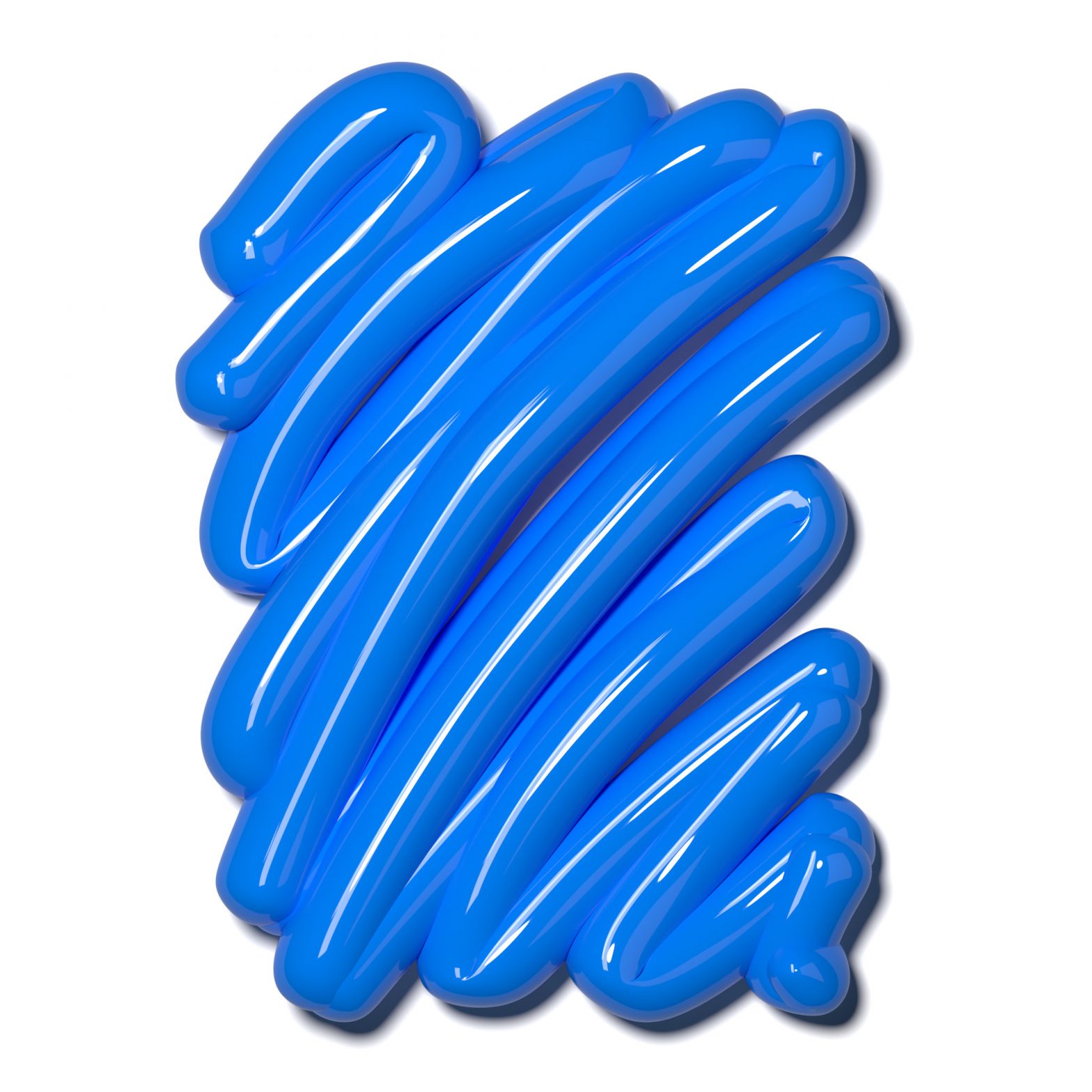
Surprisingly Blue #2
Physical Object (1/25, Preview Image)CNC Milling, Lacquer
60 x 47 x 15 cm
Unique, 2020
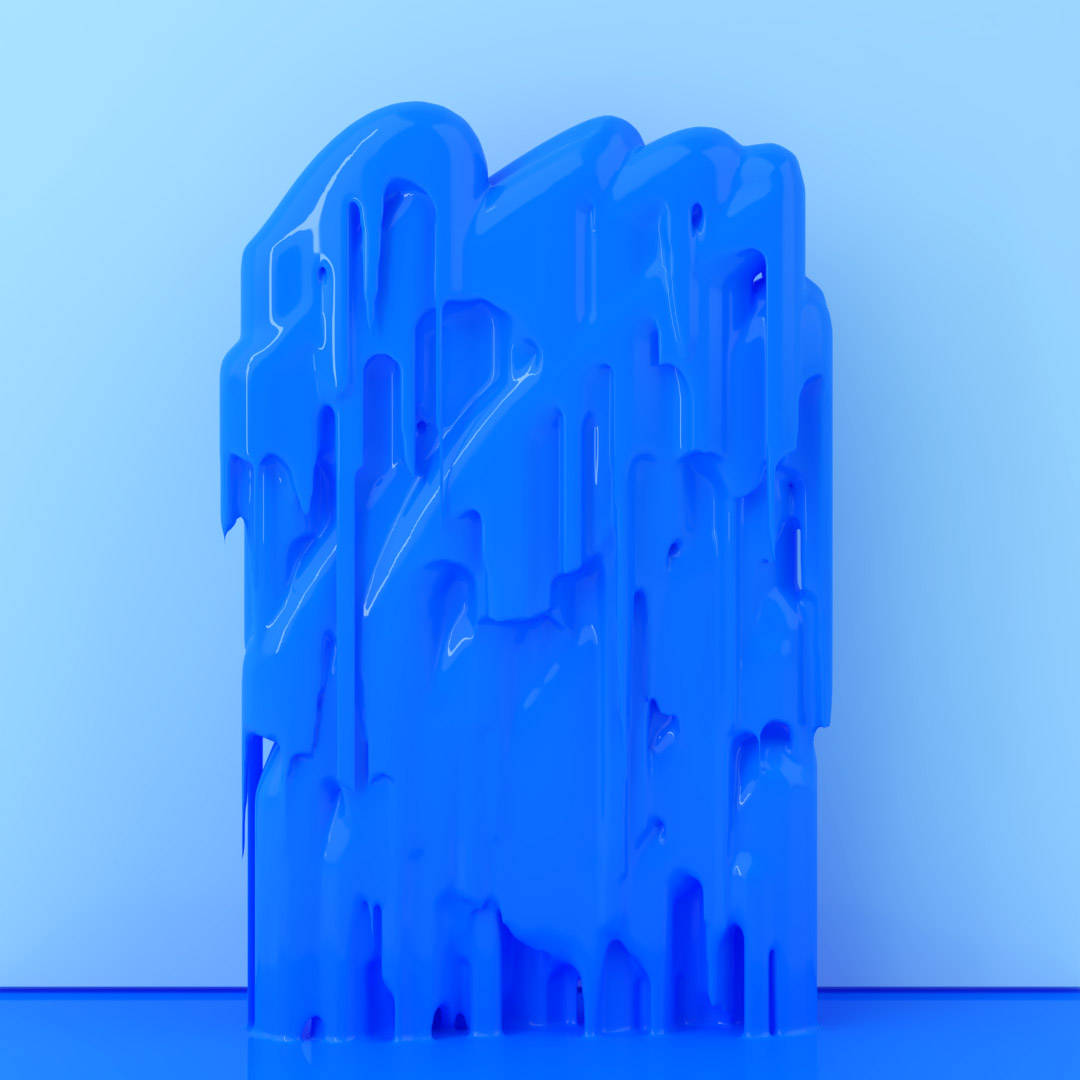
Dripping Surprisingly Blue #2
Video Loop1080 x 1080px
2022
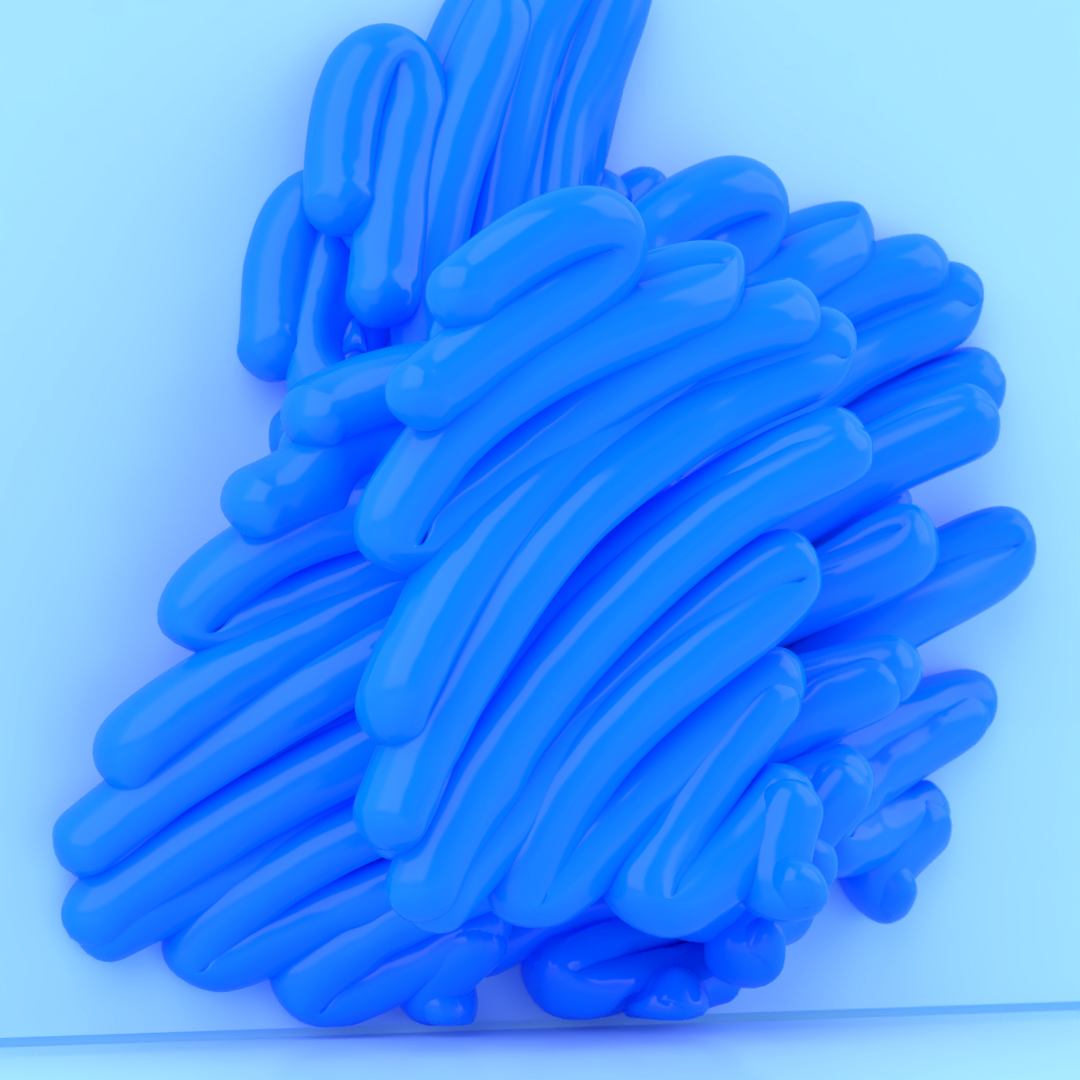
Bouncy Surprisingly Blue #2
Video Loop1080 x 1080px
2022
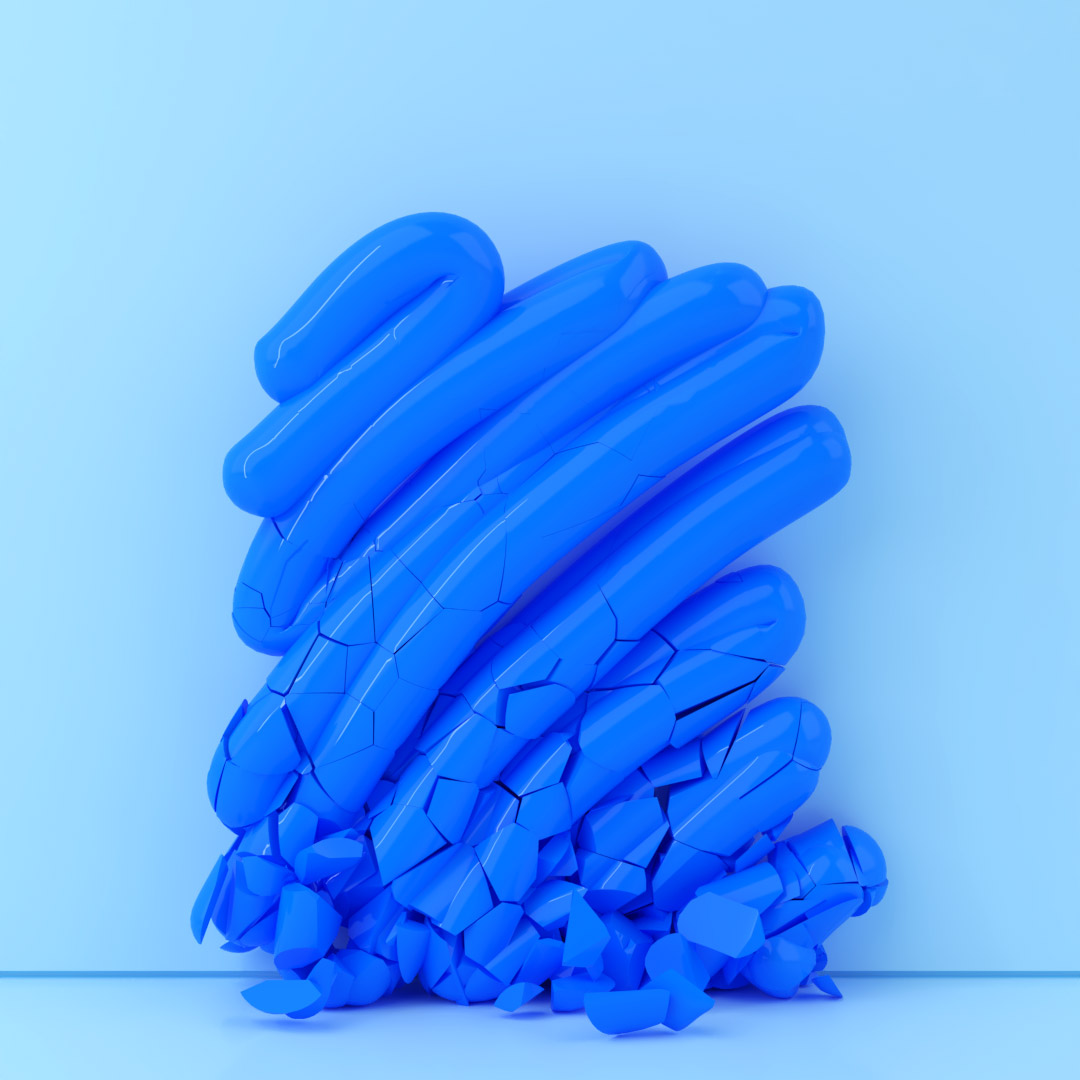
Cracking Surprisingly Blue #2
Video Loop1080 x 1080px
2022
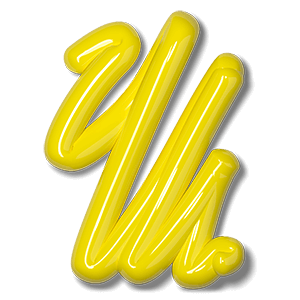
Surprisingly Yellow #1
Digital Object62 x 45 x 14 cm
Unique, 2020
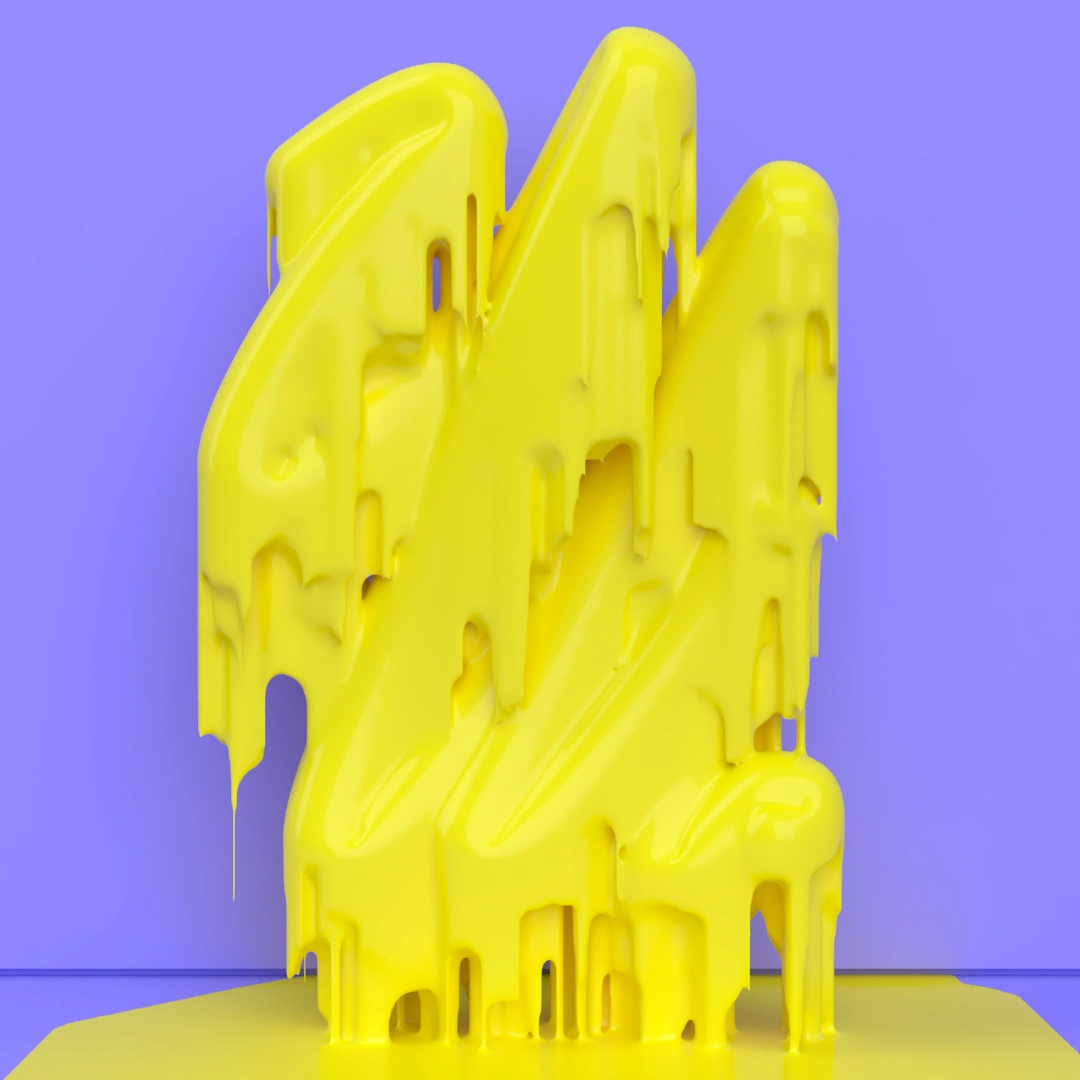
Dripping Surprisingly Yellow #1
Video Loop1080 x 1080px
2022
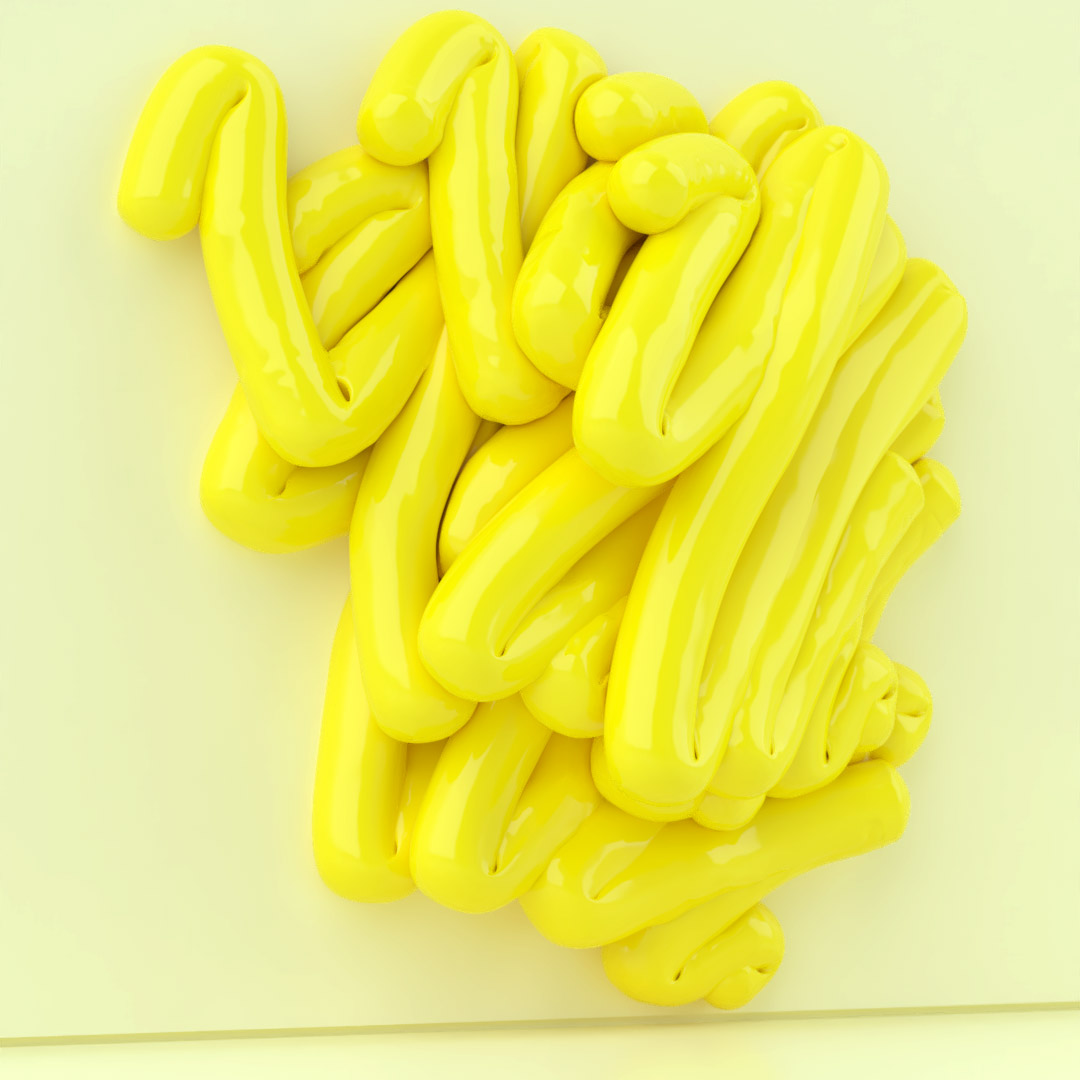
Bouncy Surprisingly Yellow #1
Video Loop1080 x 1080px
2022
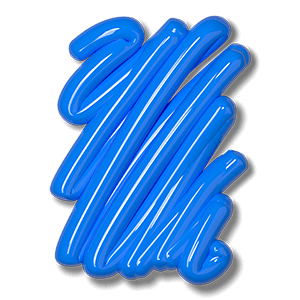
Surprisingly Blue #3
Digital Object64 x 48 x 13 cm
Unique, 2021
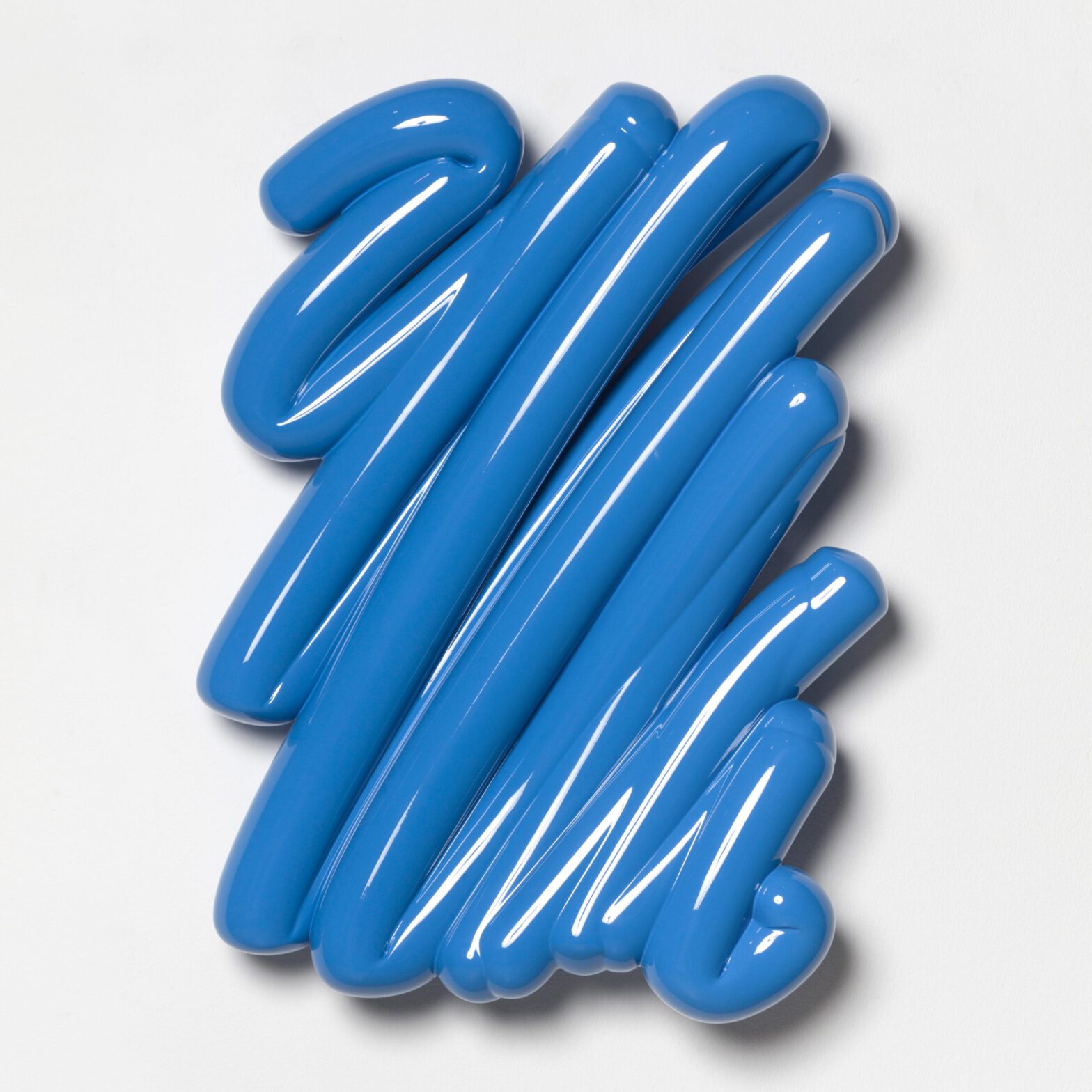
Surprisingly Blue #3
Physical Object (2/25)CNC Milling, Lacquer
64 x 48 x 13 cm
Unique, 2021
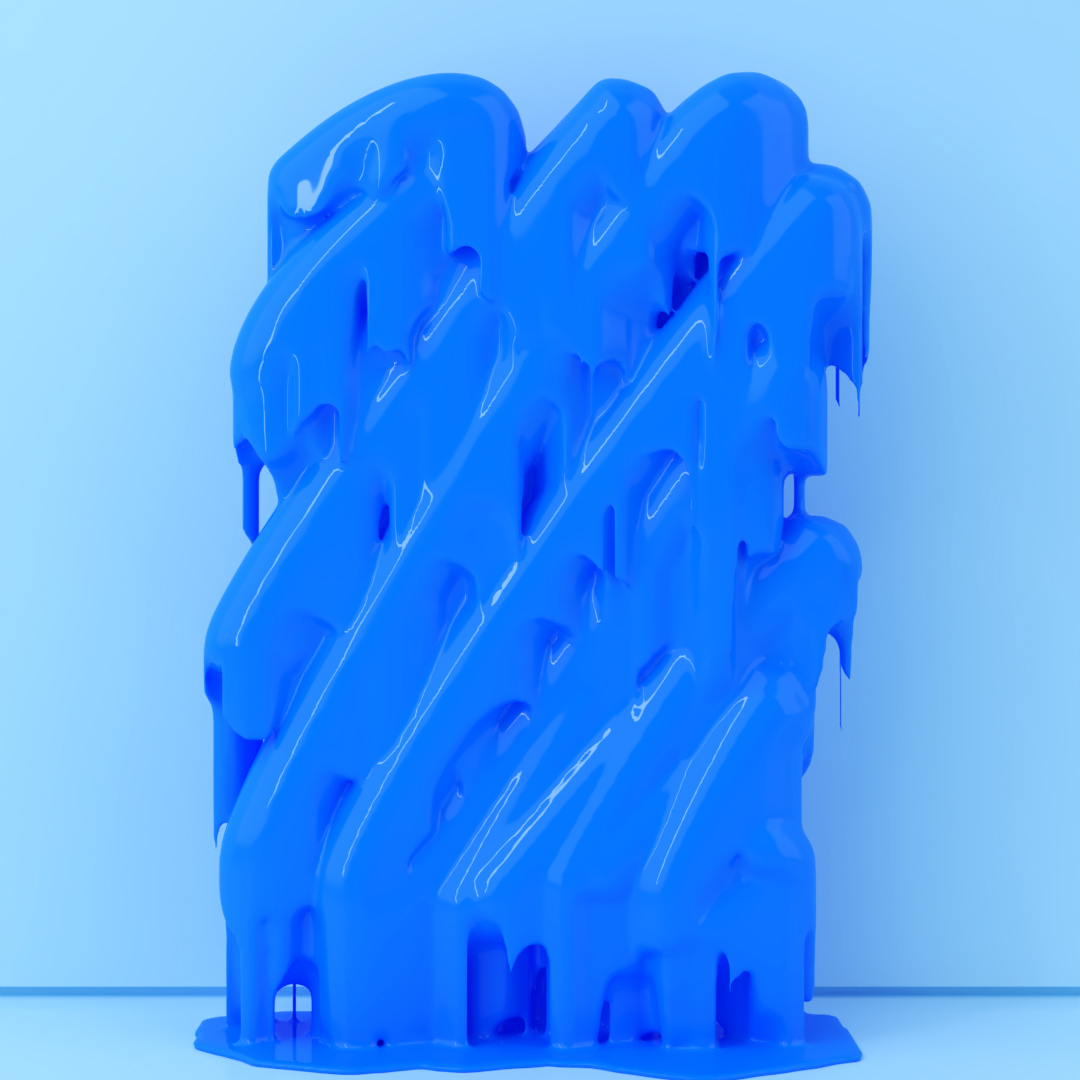
Dripping Surprisingly Blue #3
Video Loop1080 x 1080px
2022
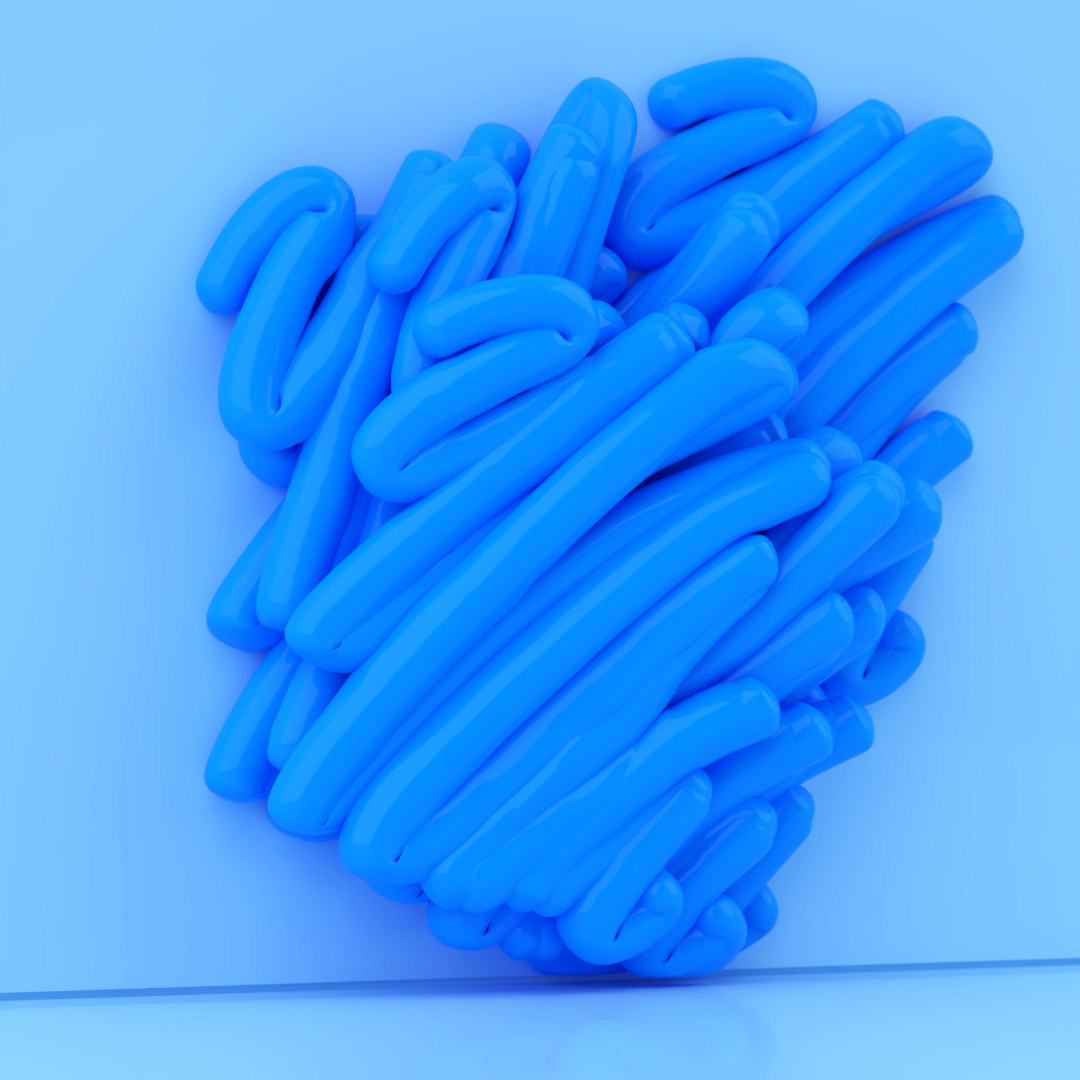
Bouncy Surprisingly Blue #3
Video Loop1080 x 1080px
2022
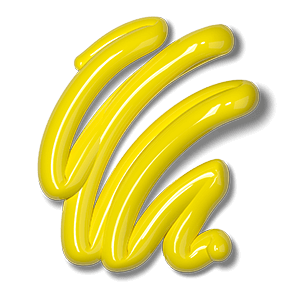
Surprisingly Yellow #2
Digital Object66 × 57 x 21 cm
Unique, 2021
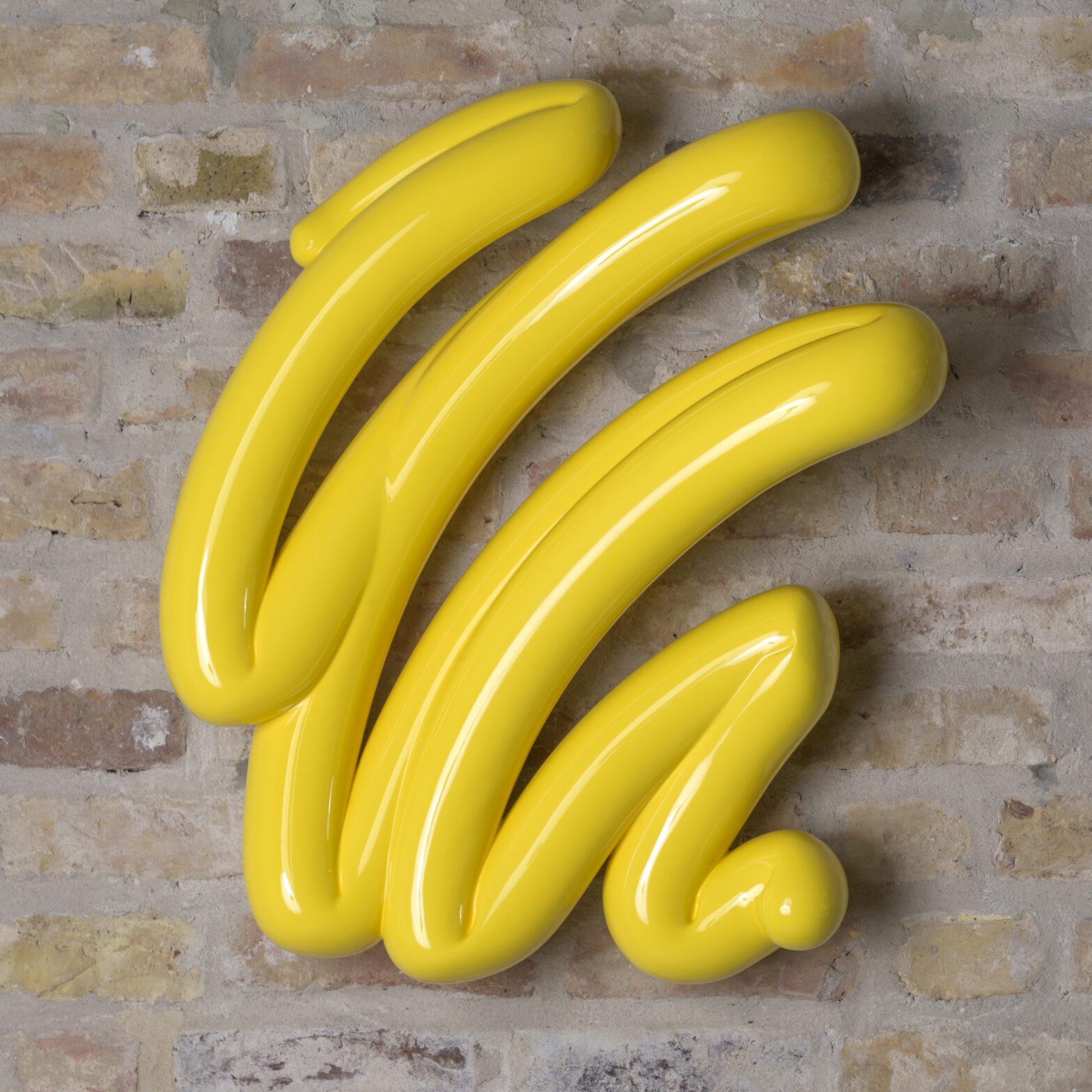
Surprisingly Yellow #2
Physical Object (3/25)CNC Milling, Lacquer
66 × 57 x 21 cm
Unique, 2021
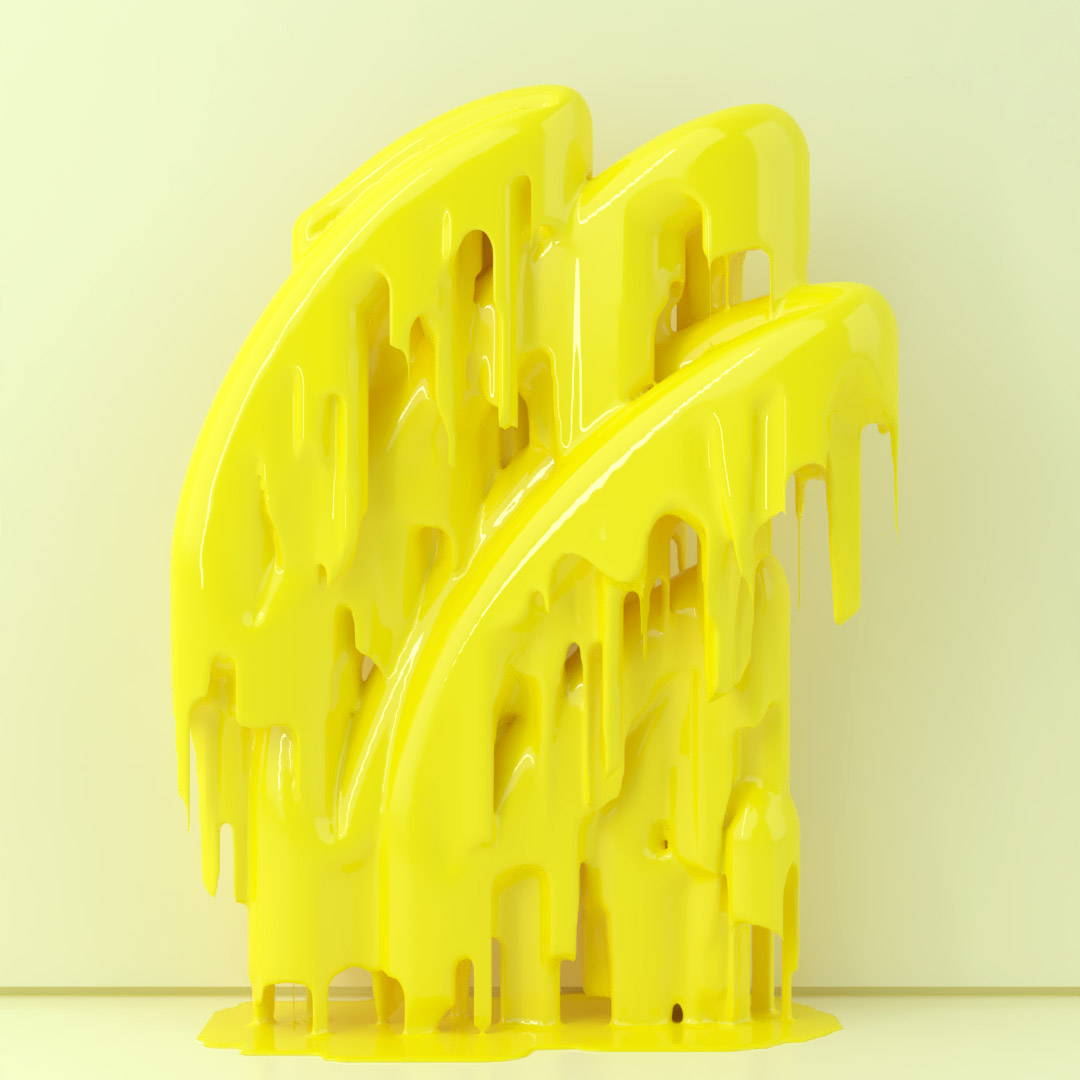
Dripping Surprisingly Yellow #2
Video Loop1080 x 1080px
2022
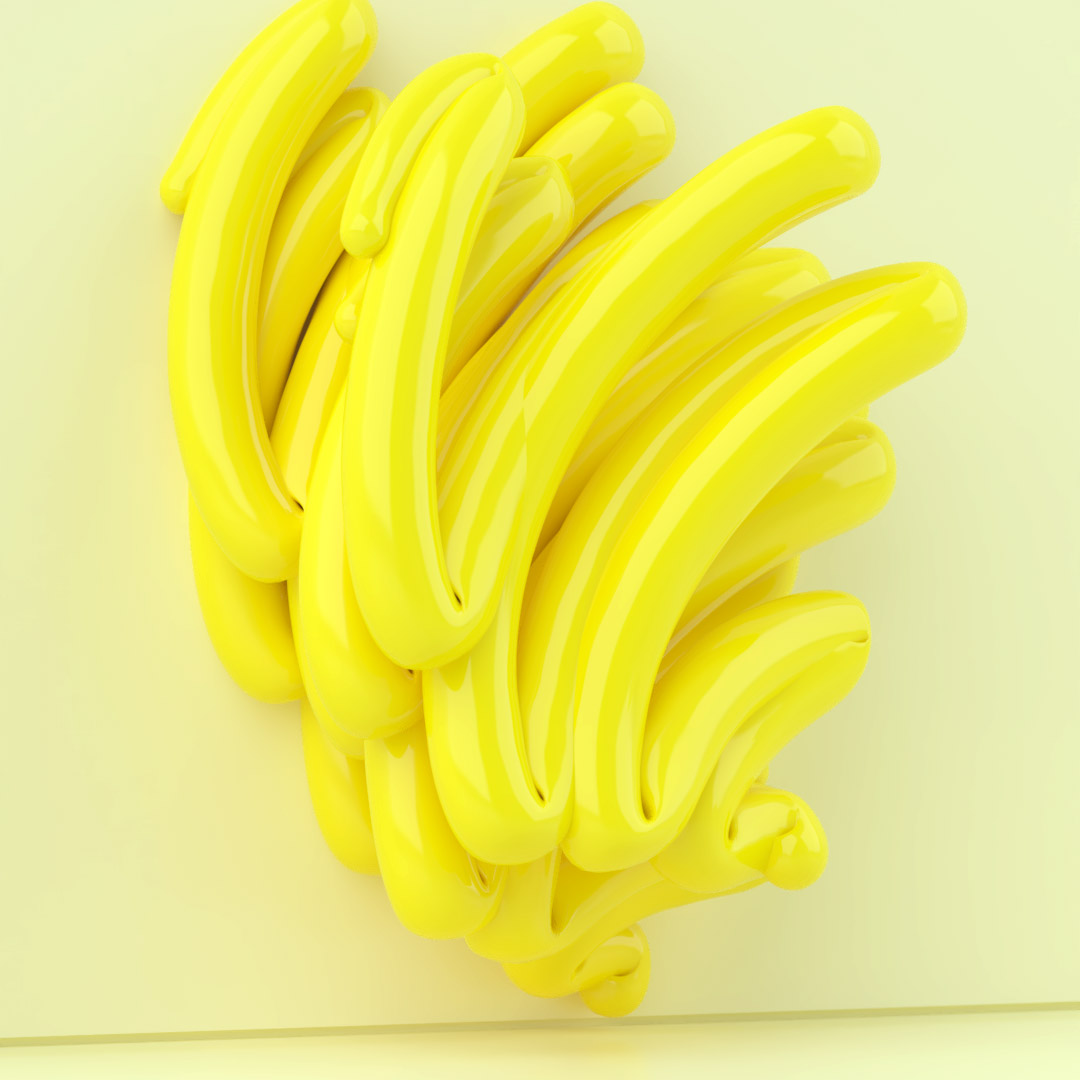
Bouncy Surprisingly Yellow #2
Video Loop1080 x 1080px
2022

Surprisingly Green #1
Digital Object60 × 45 x 16 cm
Unique, 2021
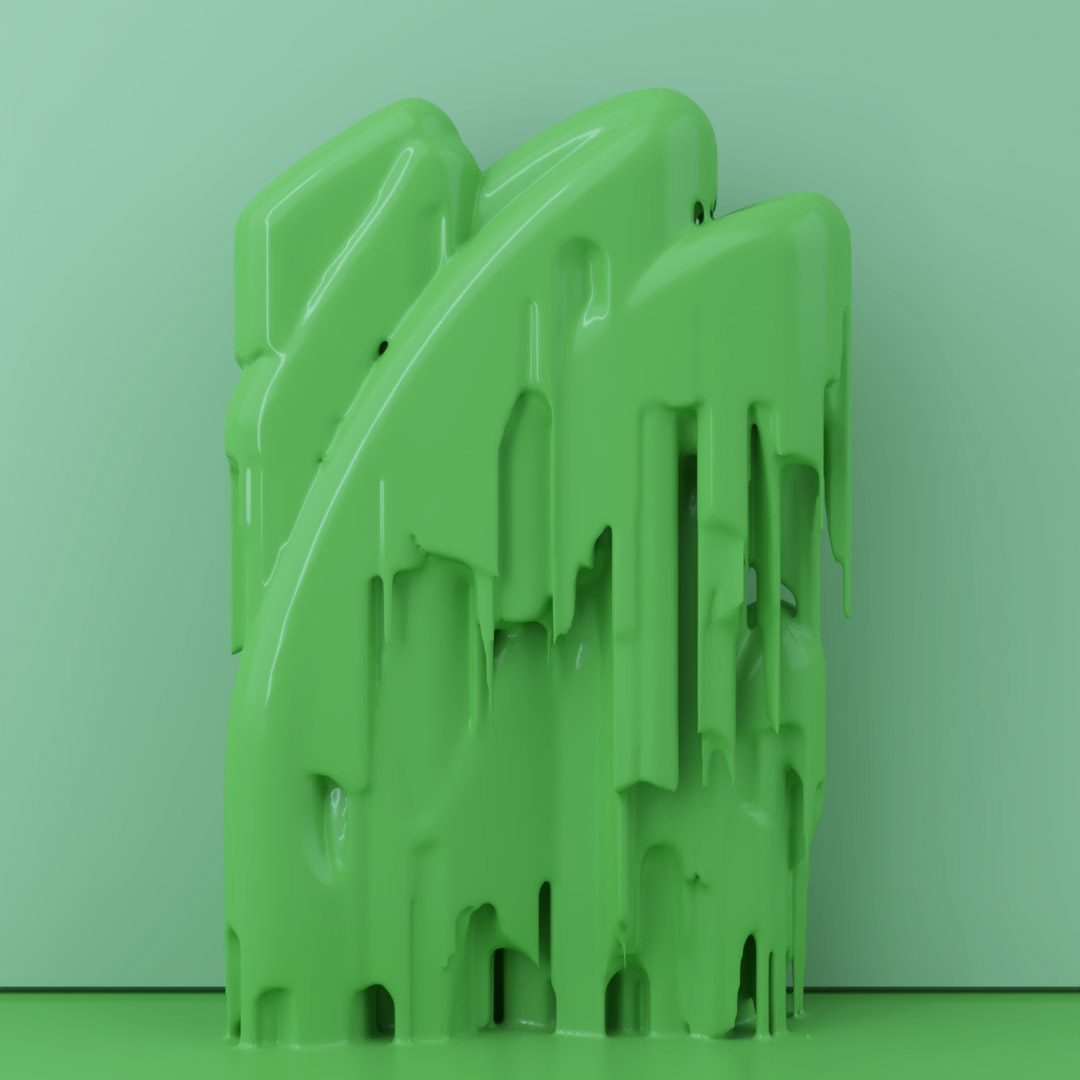
Dripping Surprisingly Green #1
Video Loop1080 x 1080px
2022
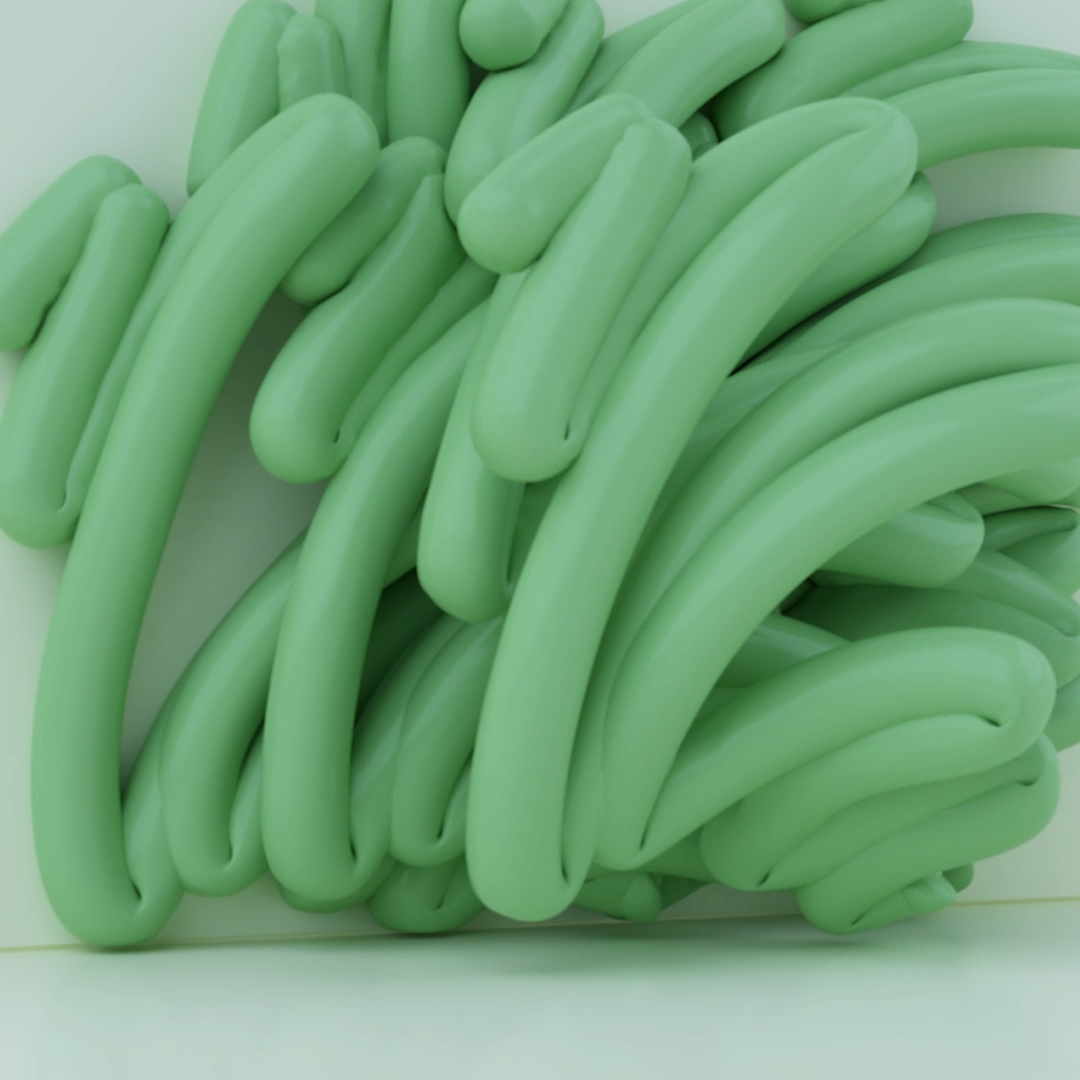
Bouncy Surprisingly Green #1
1080 x 1080pxVideoloop
2021
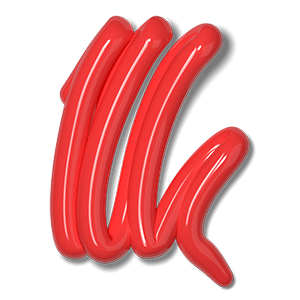
Surprisingly Red #1
Digital Object61 × 45 x 17 cm
Unique, 2021
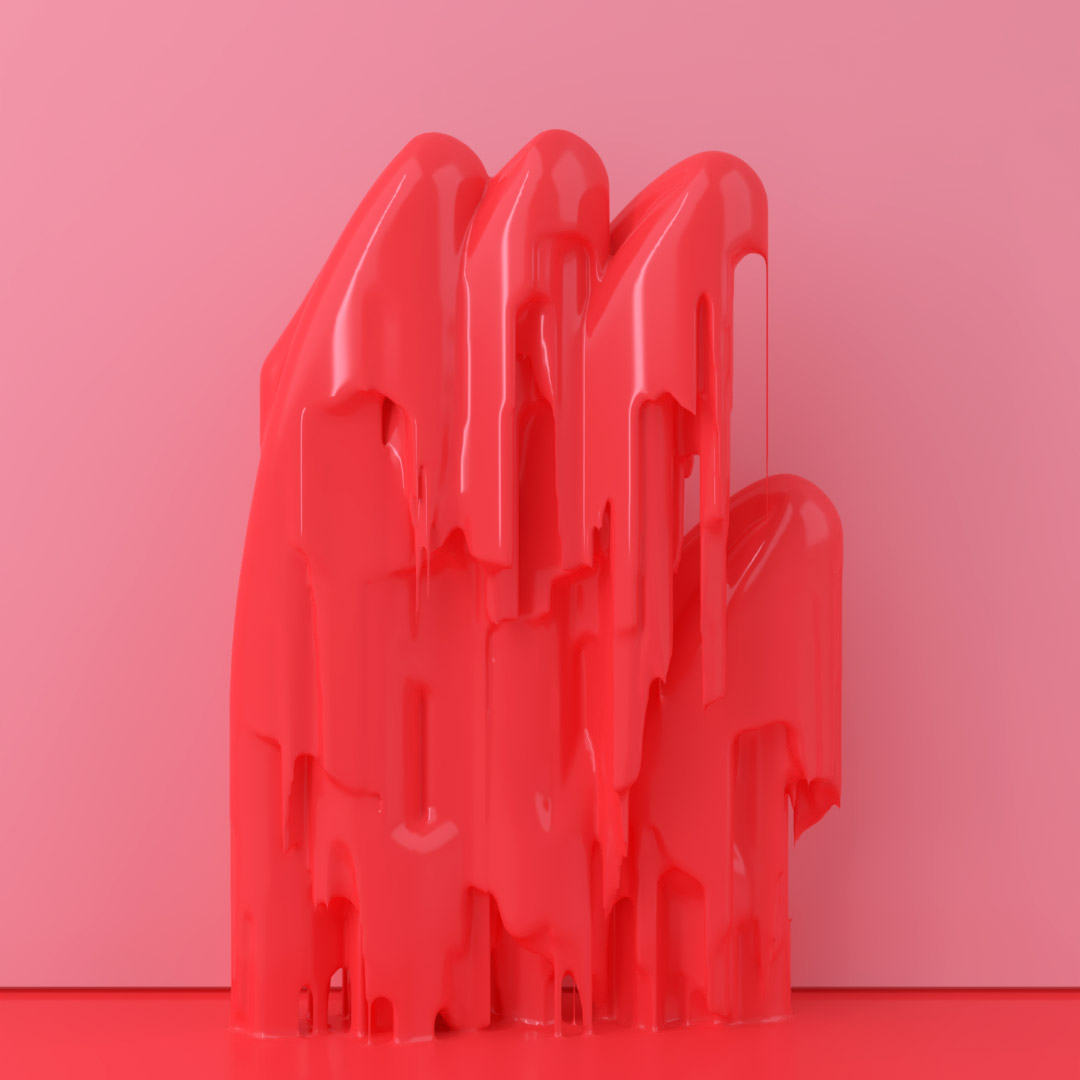
Dripping Surprisingly Red #1
Video Loop1080 x 1080px
2022
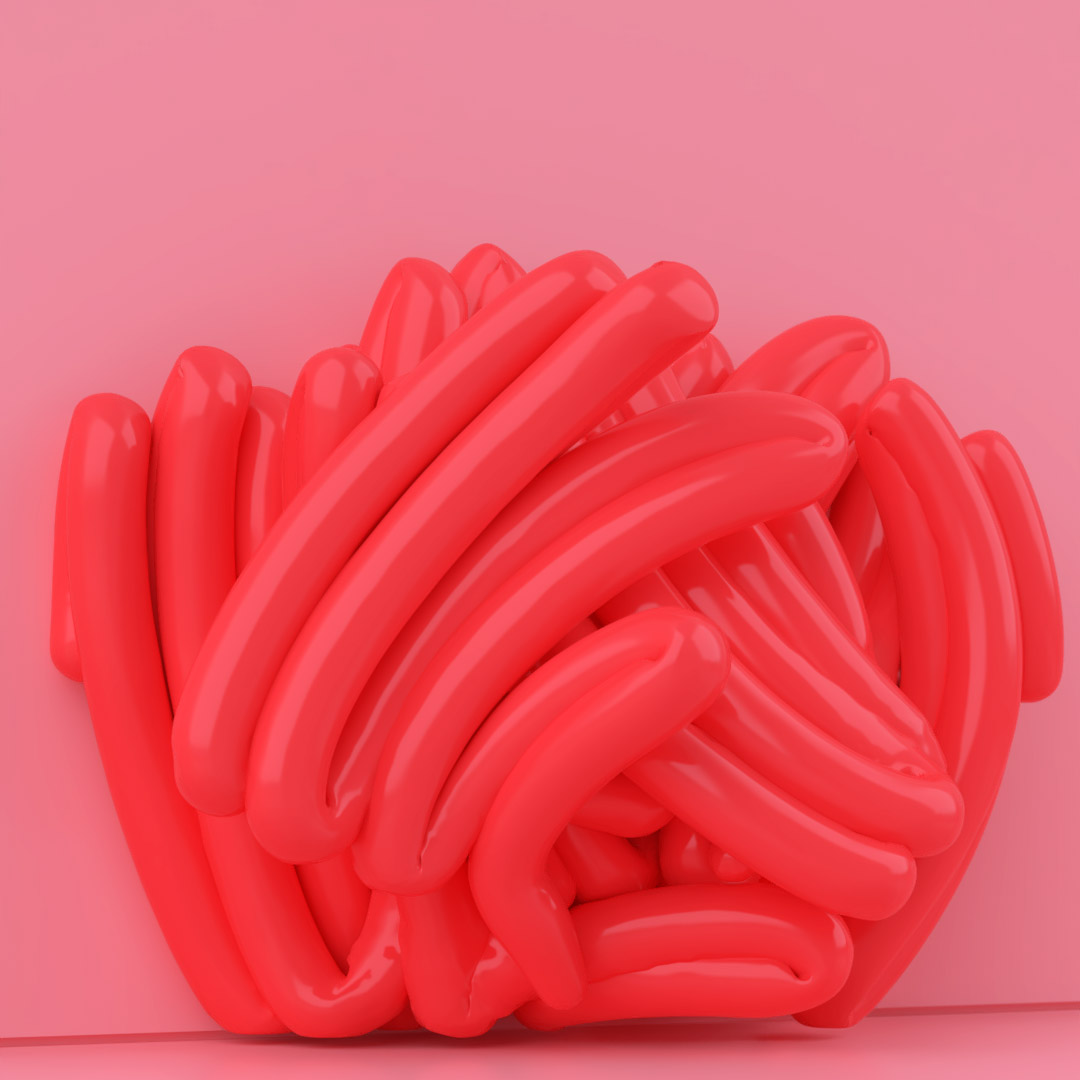
Bouncy Surprisingly Red #1
Video Loop1080 x 1080px
2022

Surprisingly Pink #1
Digital Object63 x 50 x 18 cm
Unique, 2021
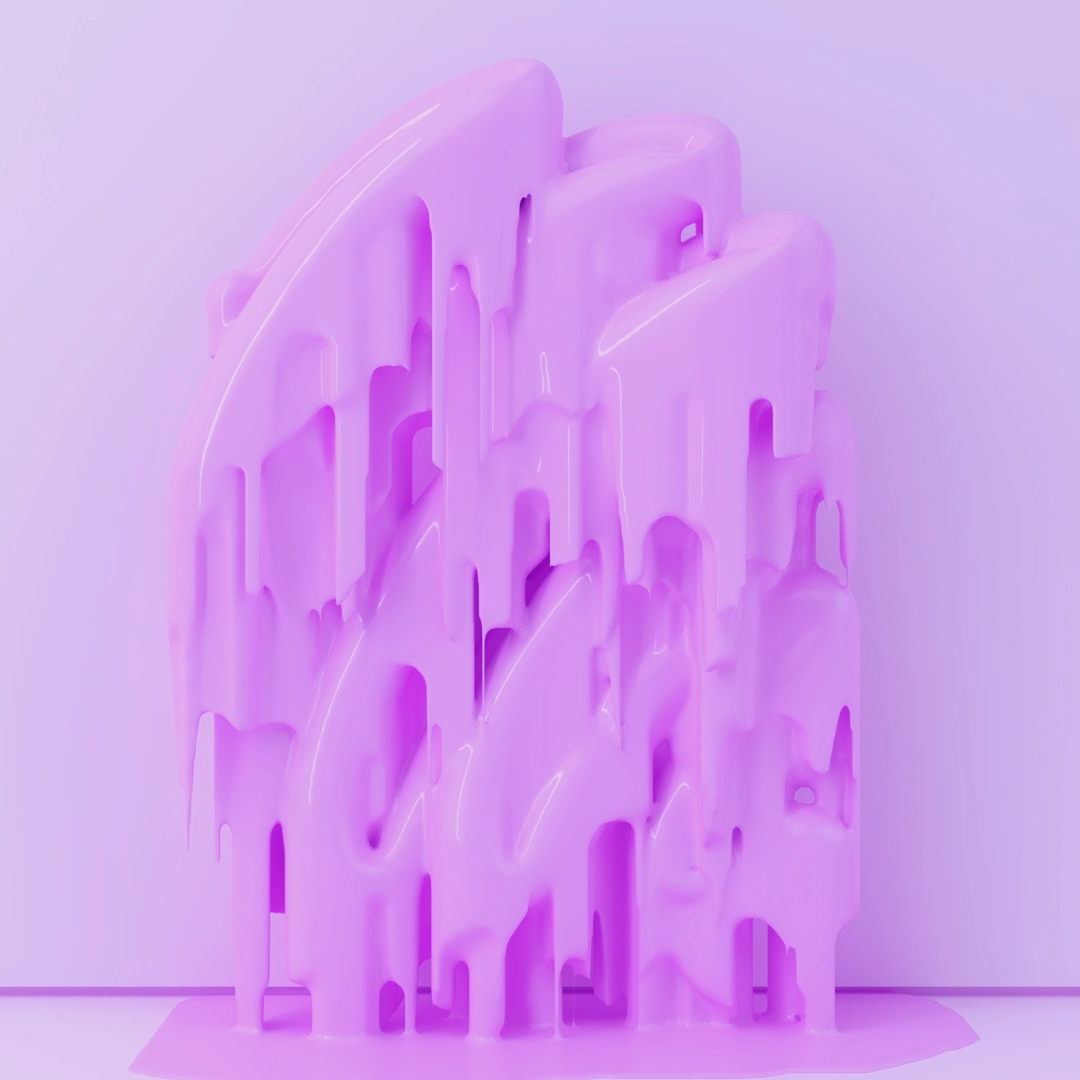
Dripping Surprisingly Pink #1
1080 x 1080pxVideoloop
2022
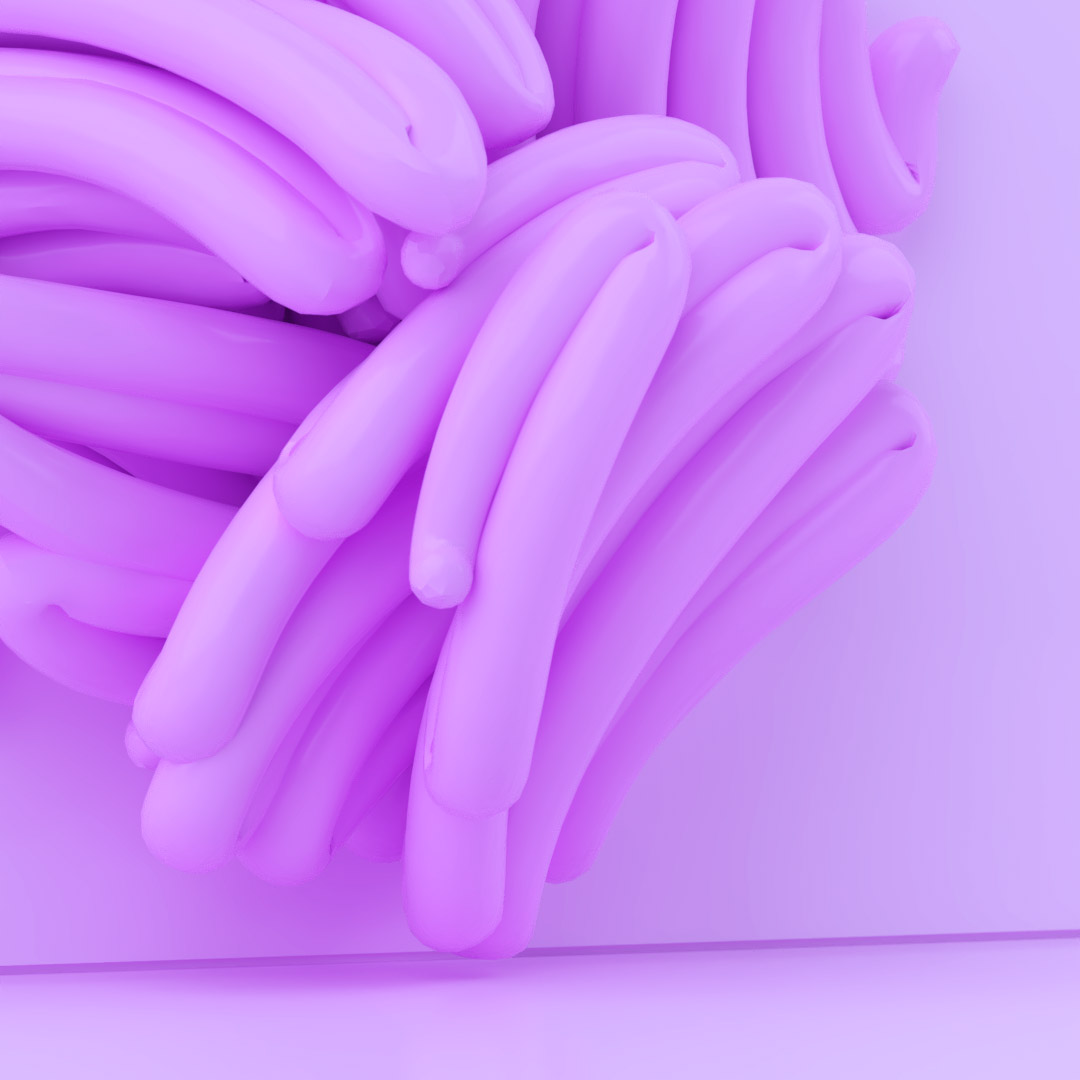
Bouncy Surprisingly Pink #1
1080 x 1080pxVideoloop
2022
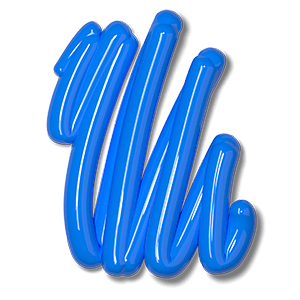
Surprisingly Blue #4
Digital Object60 x 47 x 15 cm
Unique, 2021
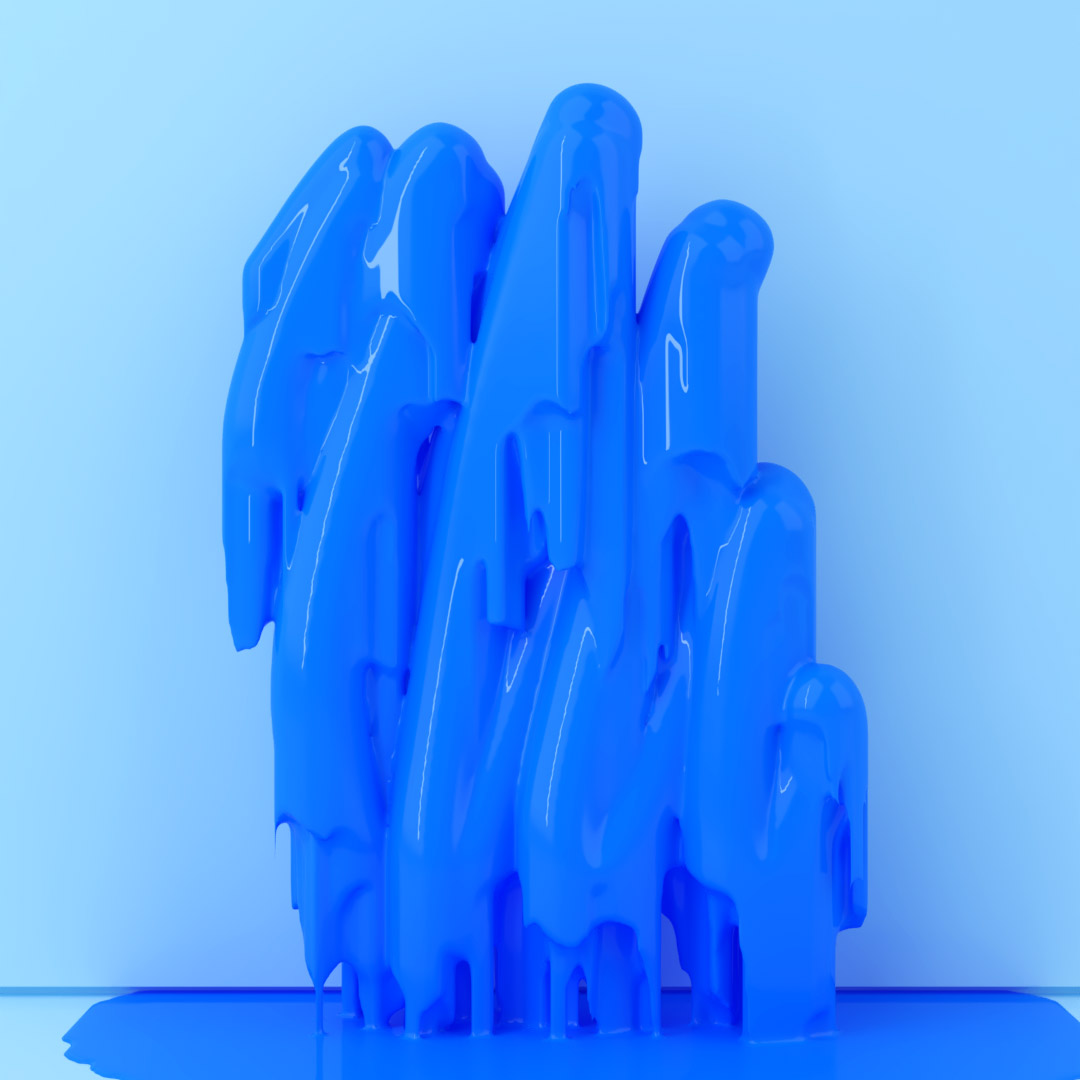
Dripping Surprisingly Blue #4
1080 x 1080pxVideoloop
2022
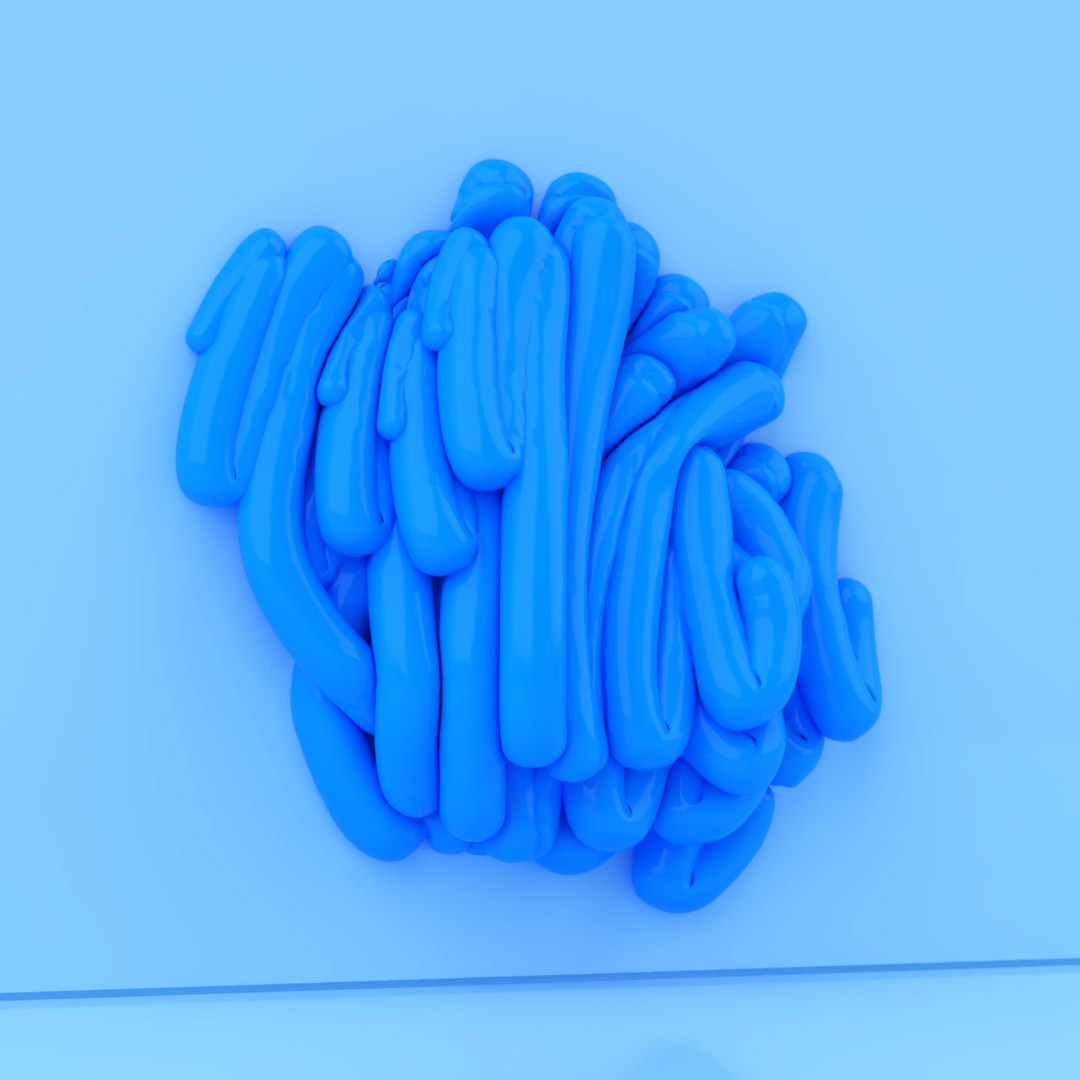
Bouncy Surprisingly Blue #4
1080 x 1080pxVideoloop
2022

Surprisingly Red #2
Digital Object58 x 36 x 13 cm
Unique, 2022
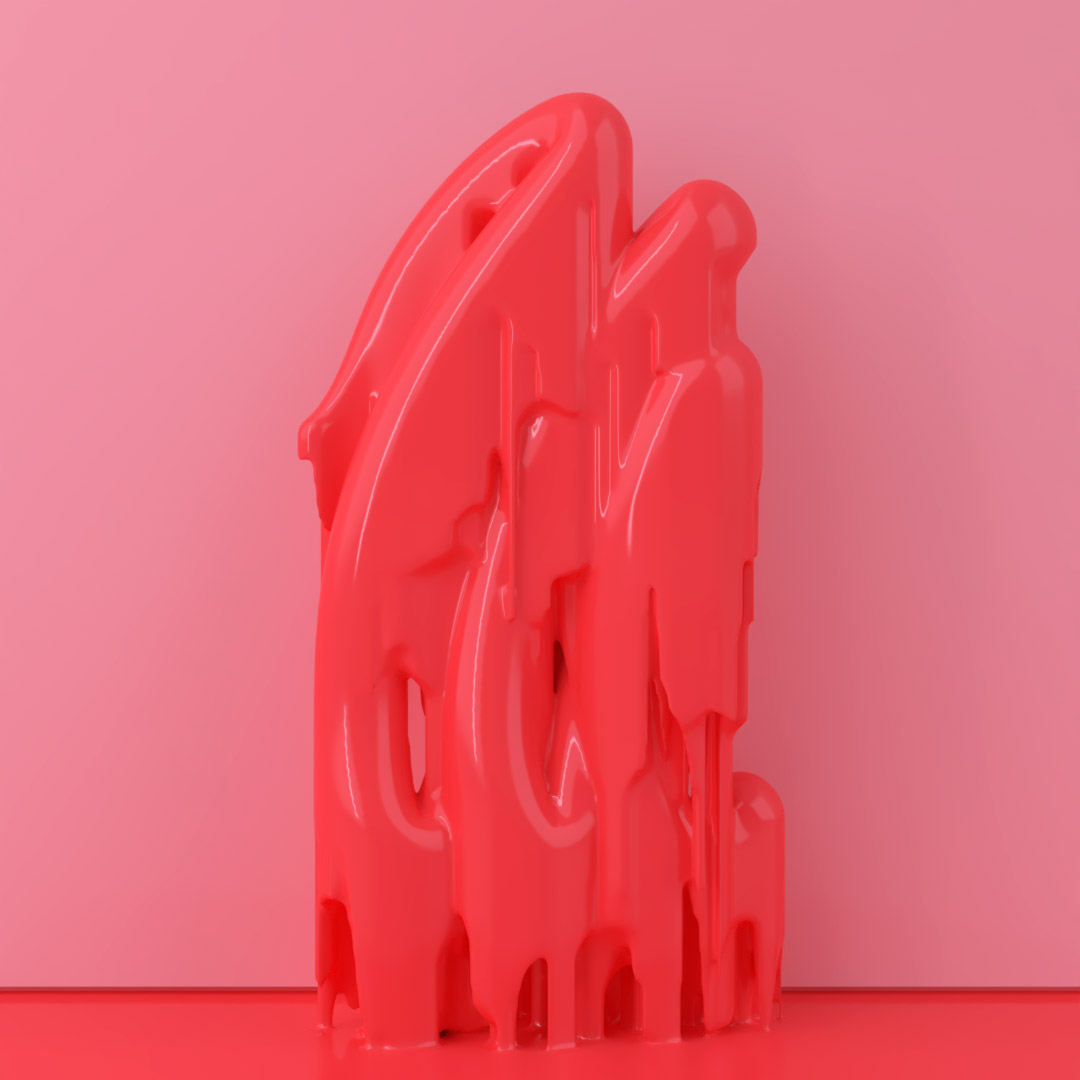
Dripping Surprisingly Red #2
Video Loop1080 x 1080px
2022
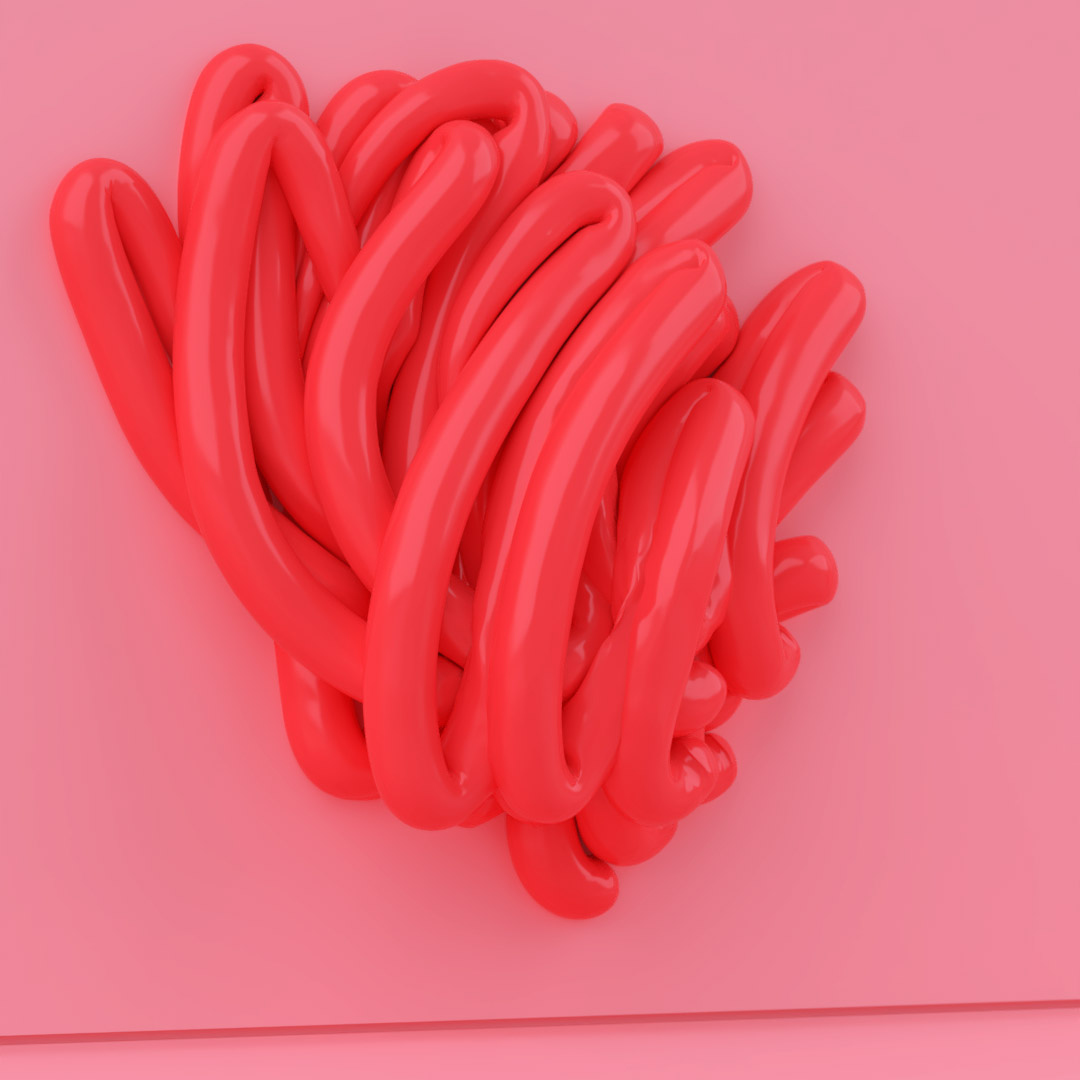
Bouncy Surprisingly Red #2
Video Loop1080 x 1080px
2022
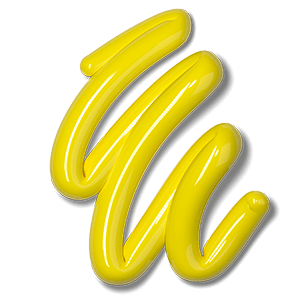
Surprisingly Yellow #3
Digital Object62 x 49 x 15 cm
Unique, 2021
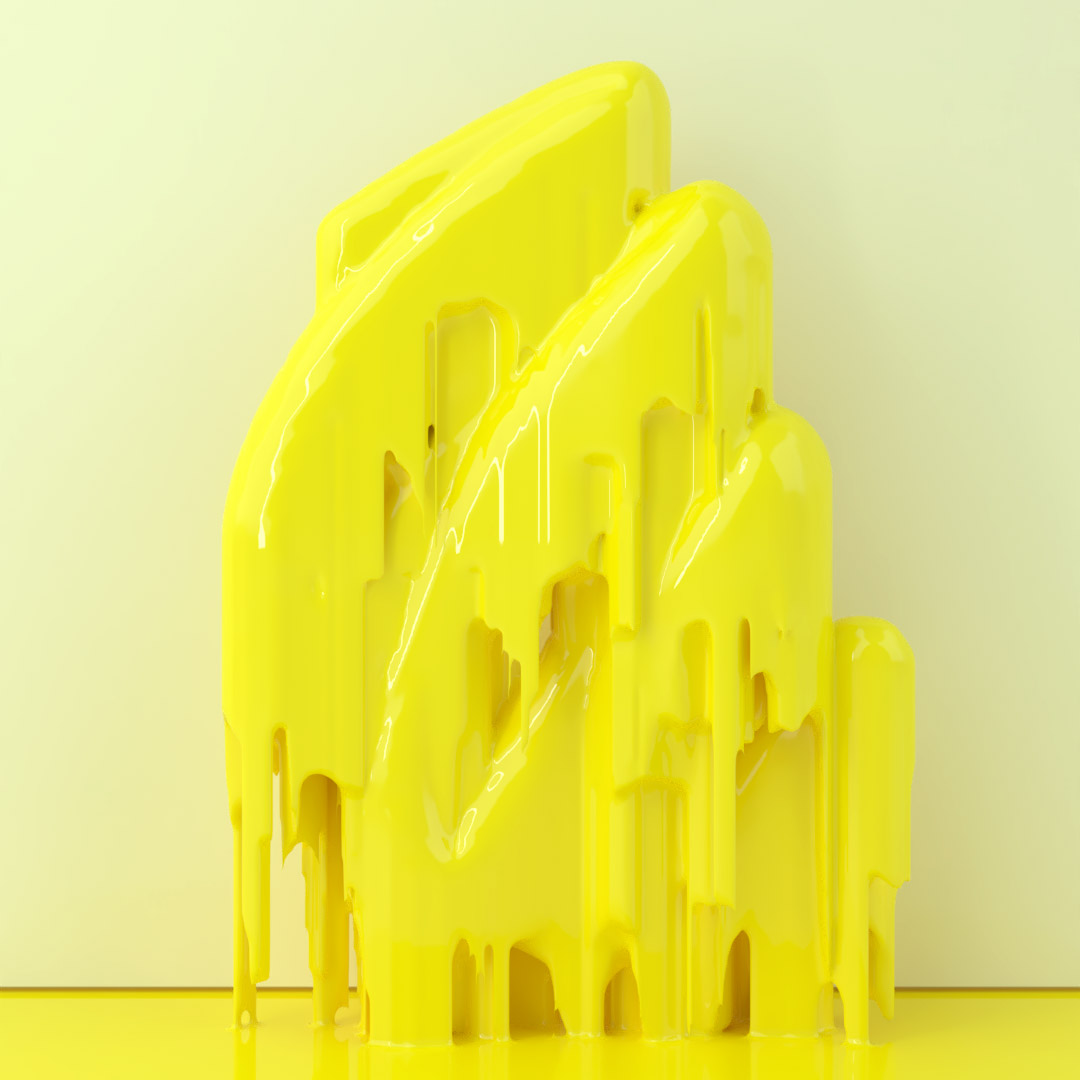
Dripping Surprisingly Yellow #3
Video Loop1080 x 1080px
2022
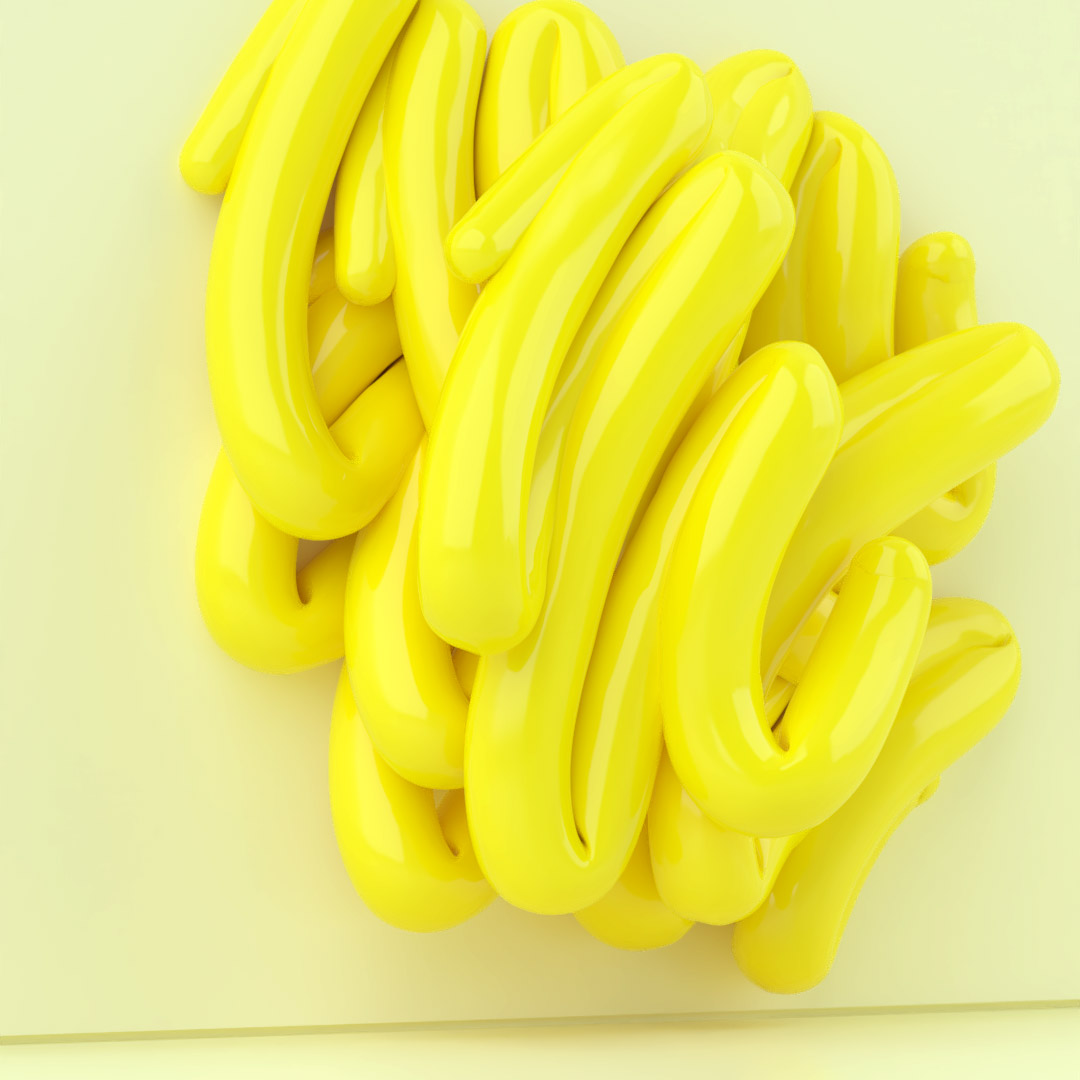
Bouncy Surprisingly Yellow #3
Video Loop1080 x 1080px
2022
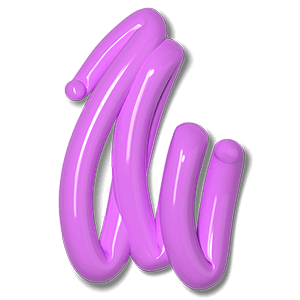
Surprisingly Pink #2
Digital Object63 x 42 x 16 cm
Unique, 2022
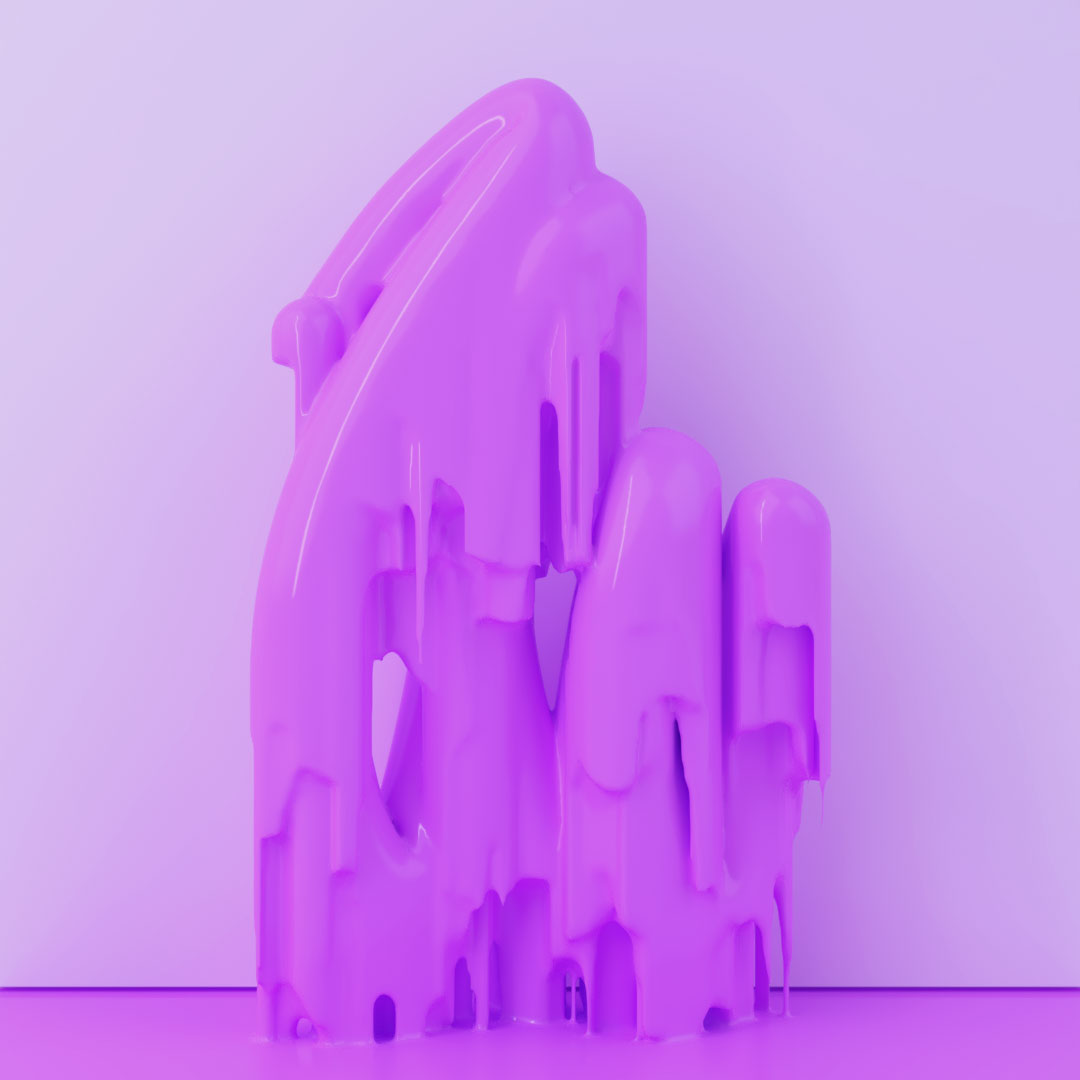
Dripping Surprisingly Pink #2
1080 x 1080pxVideoloop
2022
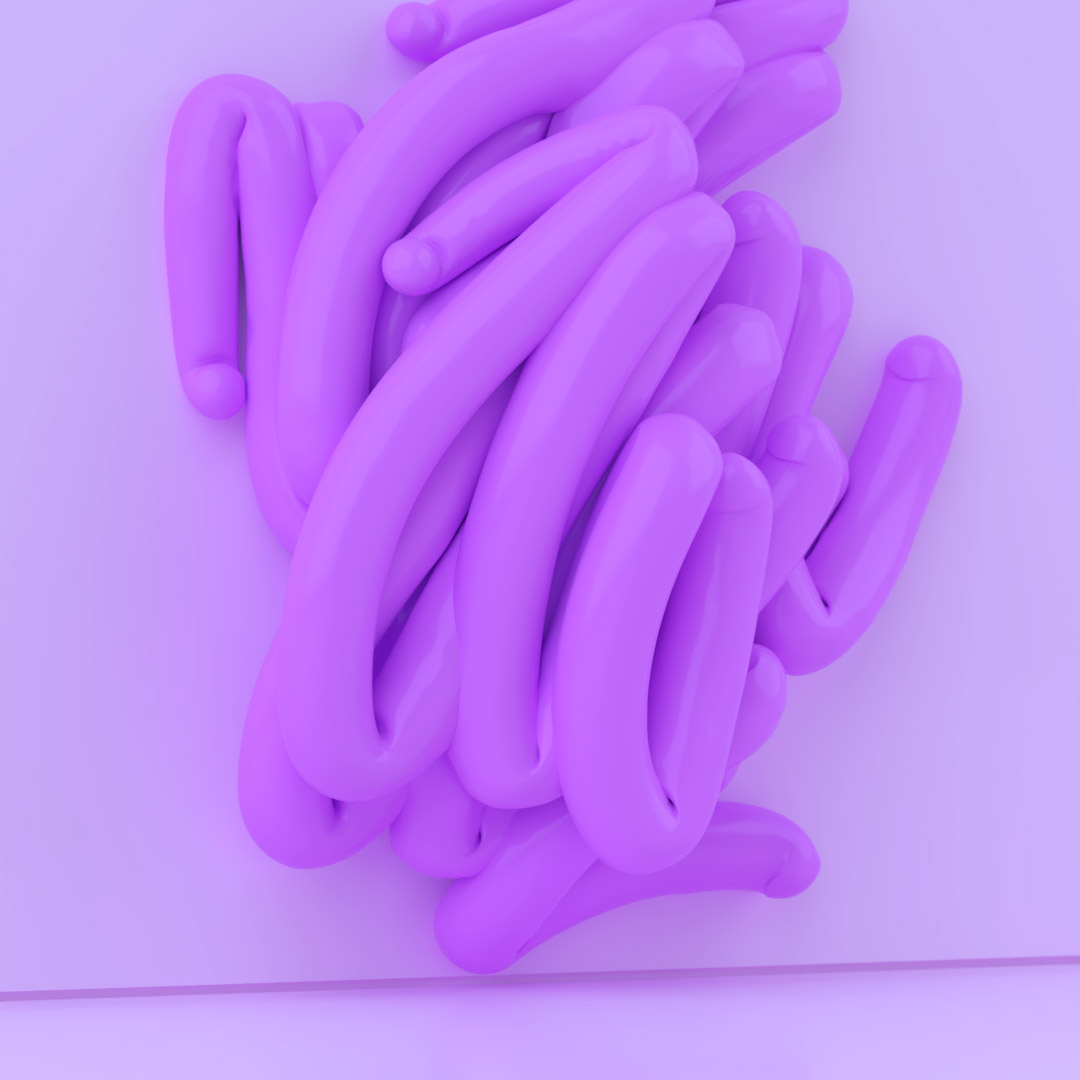
Bouncy Surprisingly Pink #2
1080 x 1080pxVideoloop
2022

Surprisingly Blue #5
Digital Object62 x 50 x 13 cm
Unique, 2022
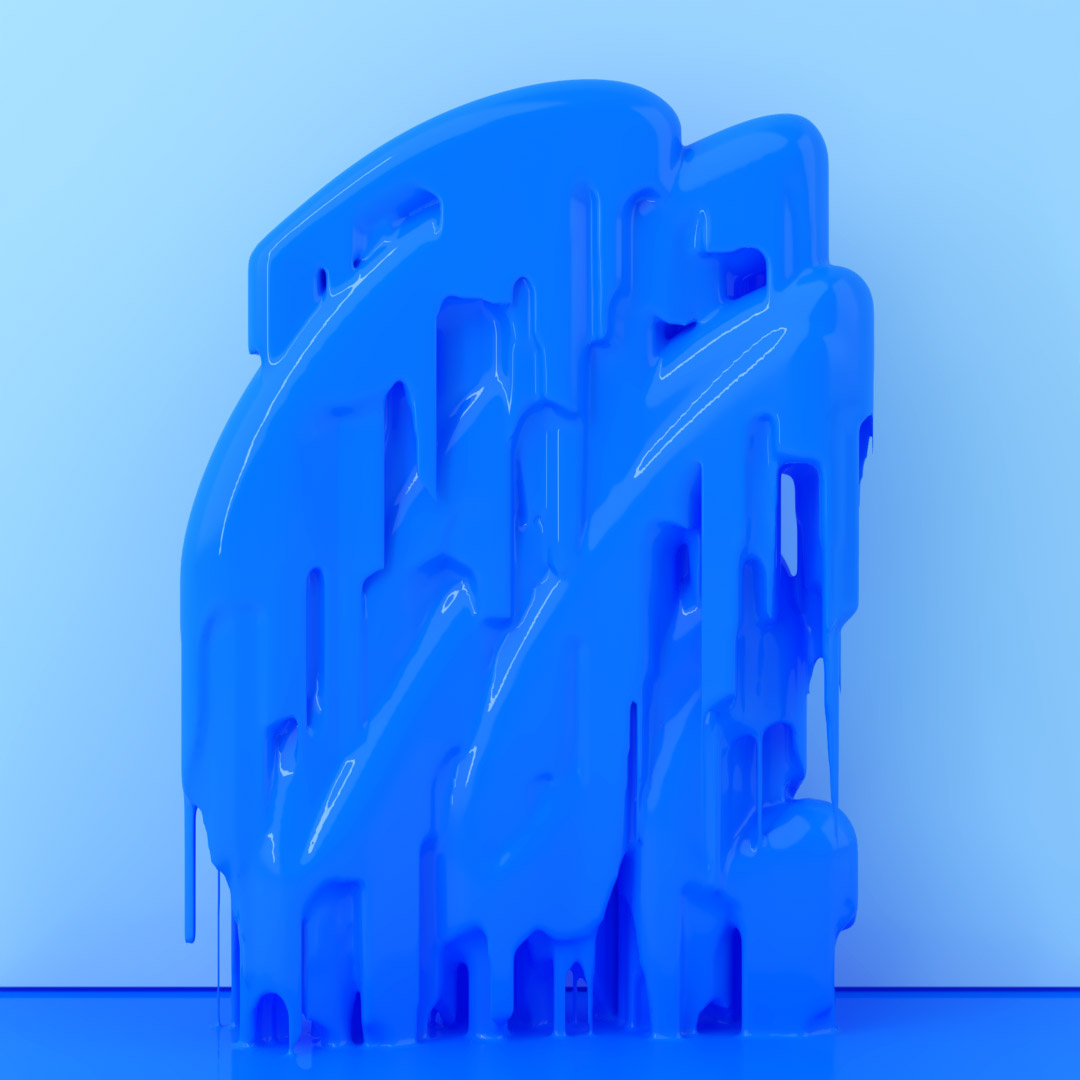
Dripping Surprisingly Blue #5
1080 x 1080pxVideoloop
2022
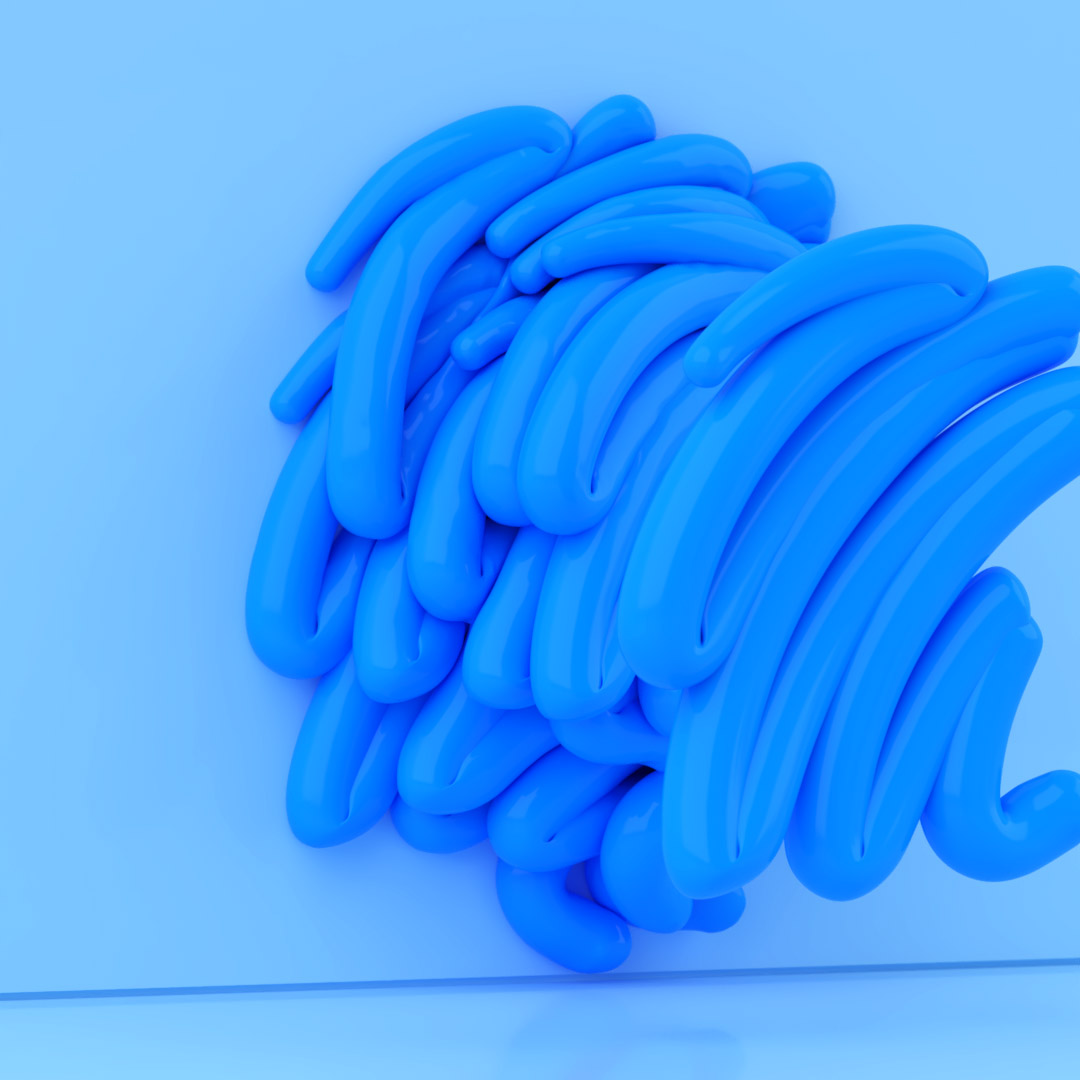
Bouncy Surprisingly Blue #5
1080 x 1080pxVideoloop
2022

Surprisingly Green #2
Digital Object64 x 44 x 13 cm
Unique, 2022

Surprisingly Red #3
Digital Object62 x 47 x 15 cm
Unique, 2022
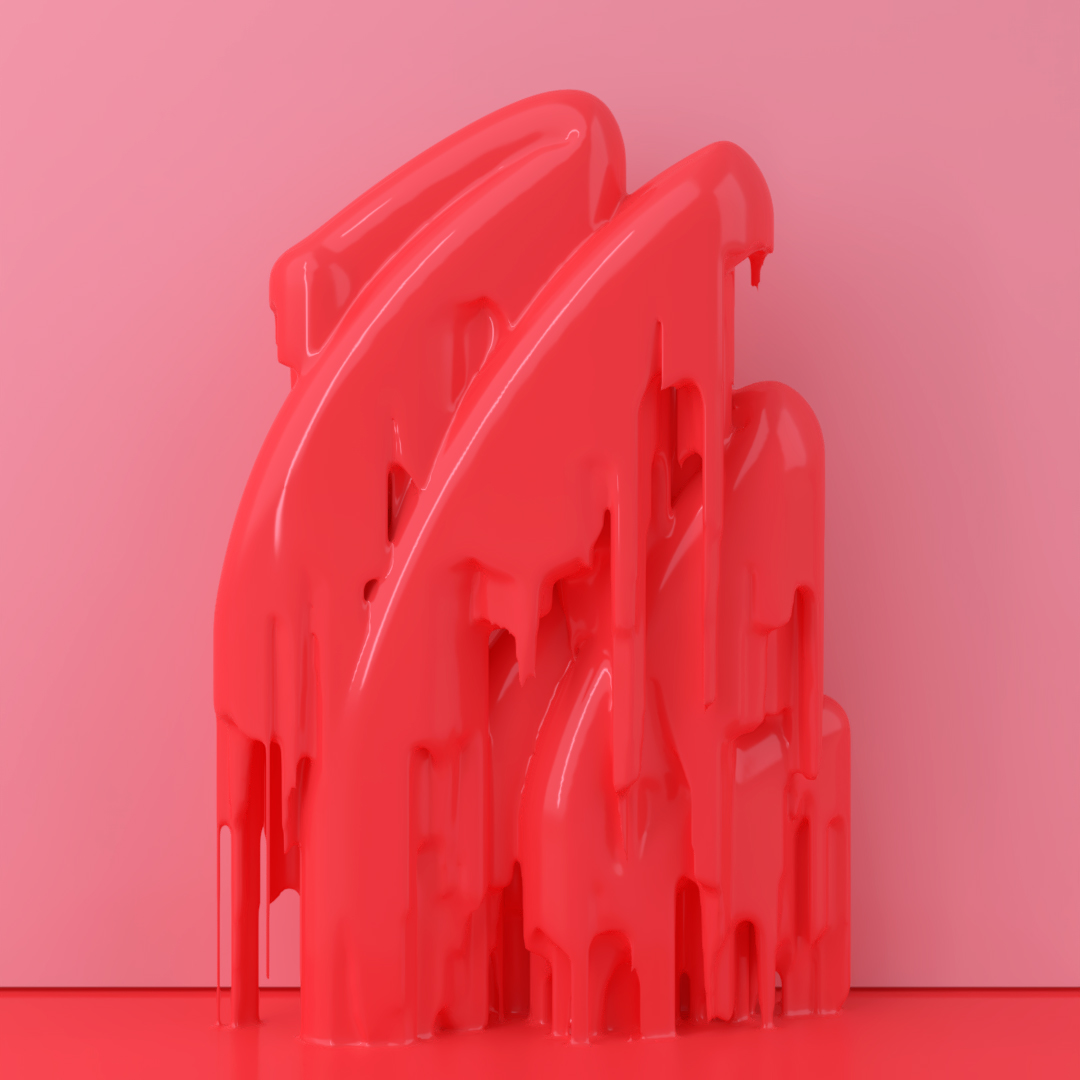
Dripping Surprisingly Red #3
Video Loop1080 x 1080px
2022
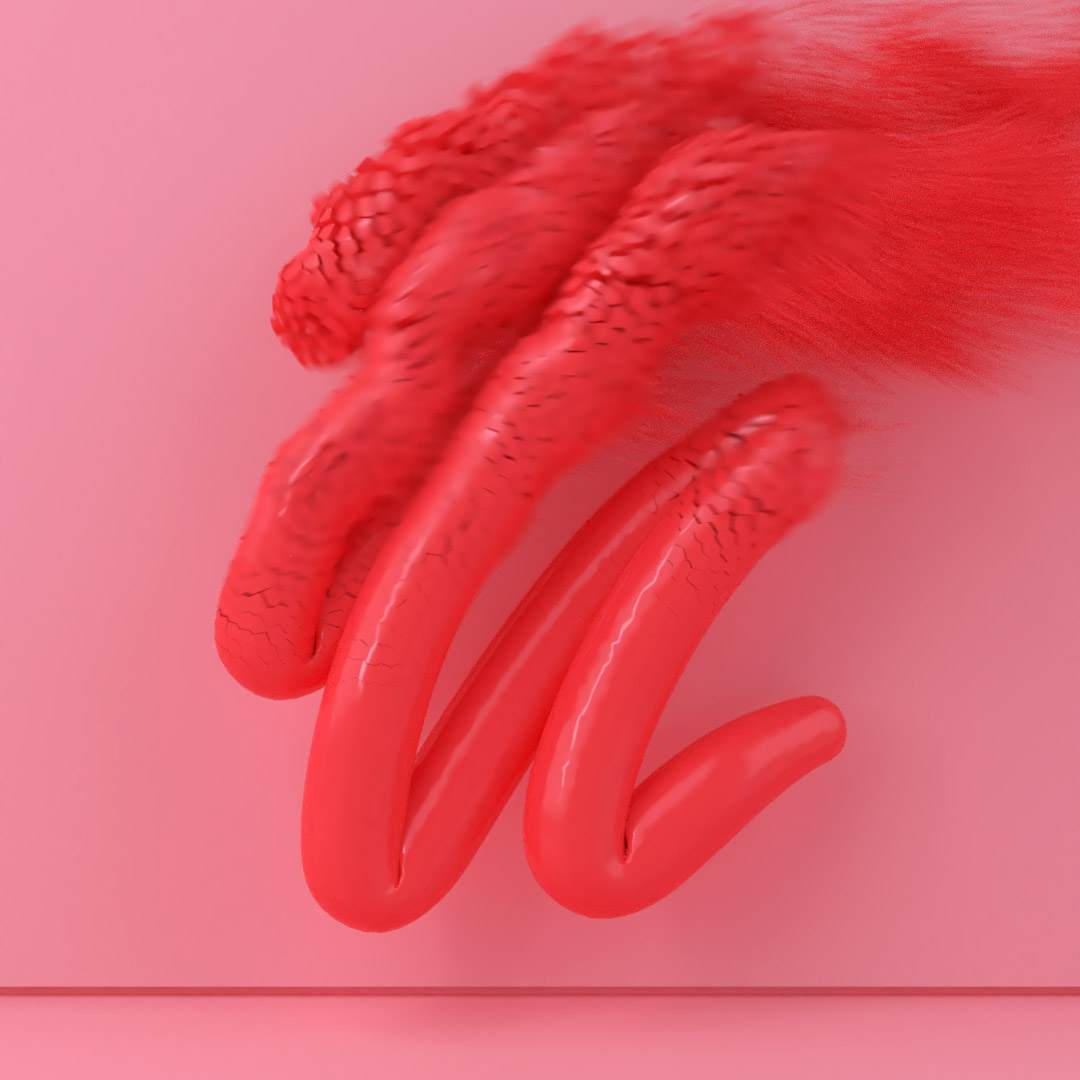
Pulverizing Surprisingly Red #3
Video Loop1080 x 1080px
2022
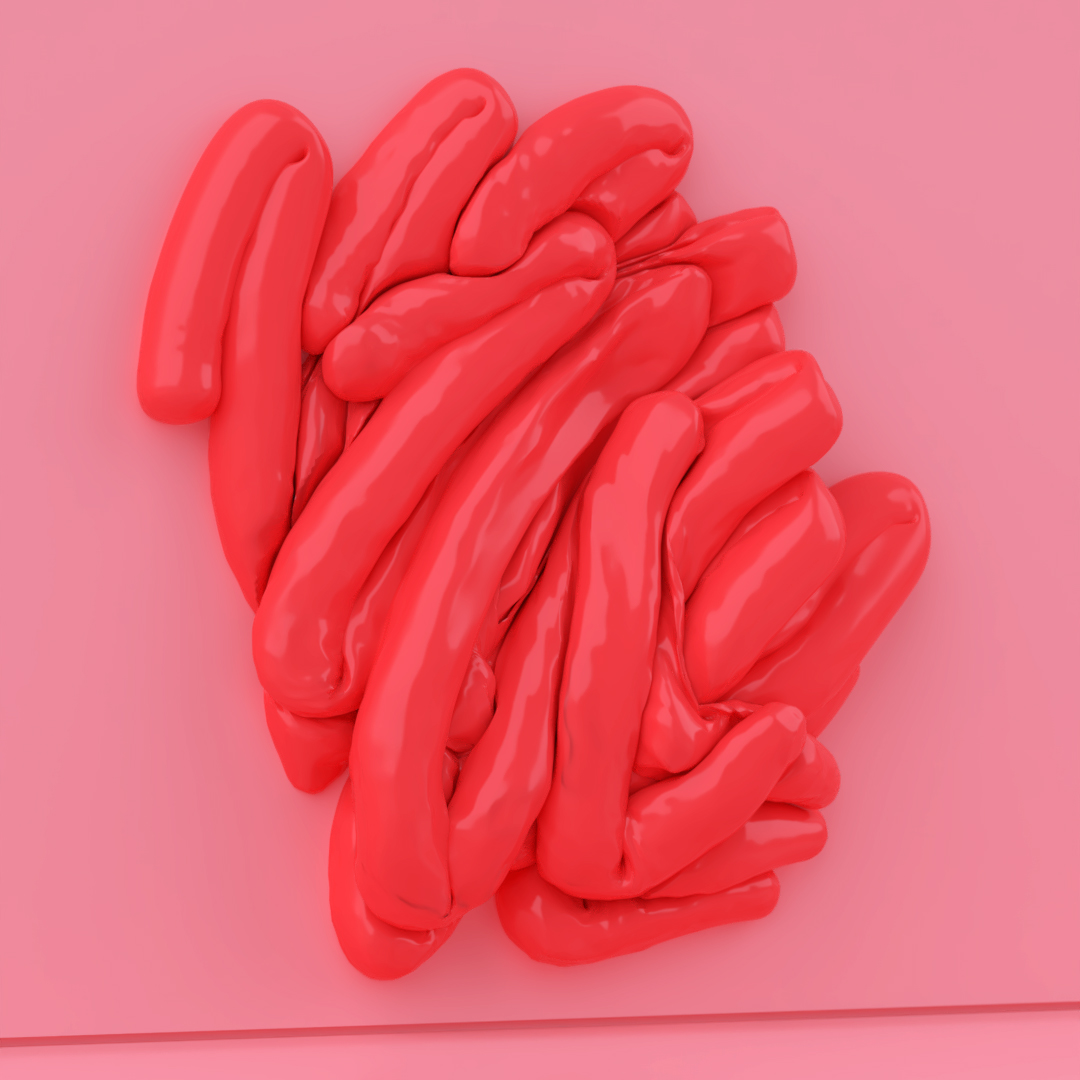
Bouncy Surprisingly Red #3
Video Loop1080 x 1080px
2022
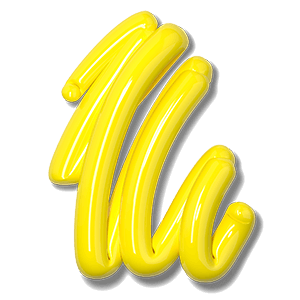
Surprisingly Yellow #4
Digital Object65 x 49 x 16 cm
Unique, 2022
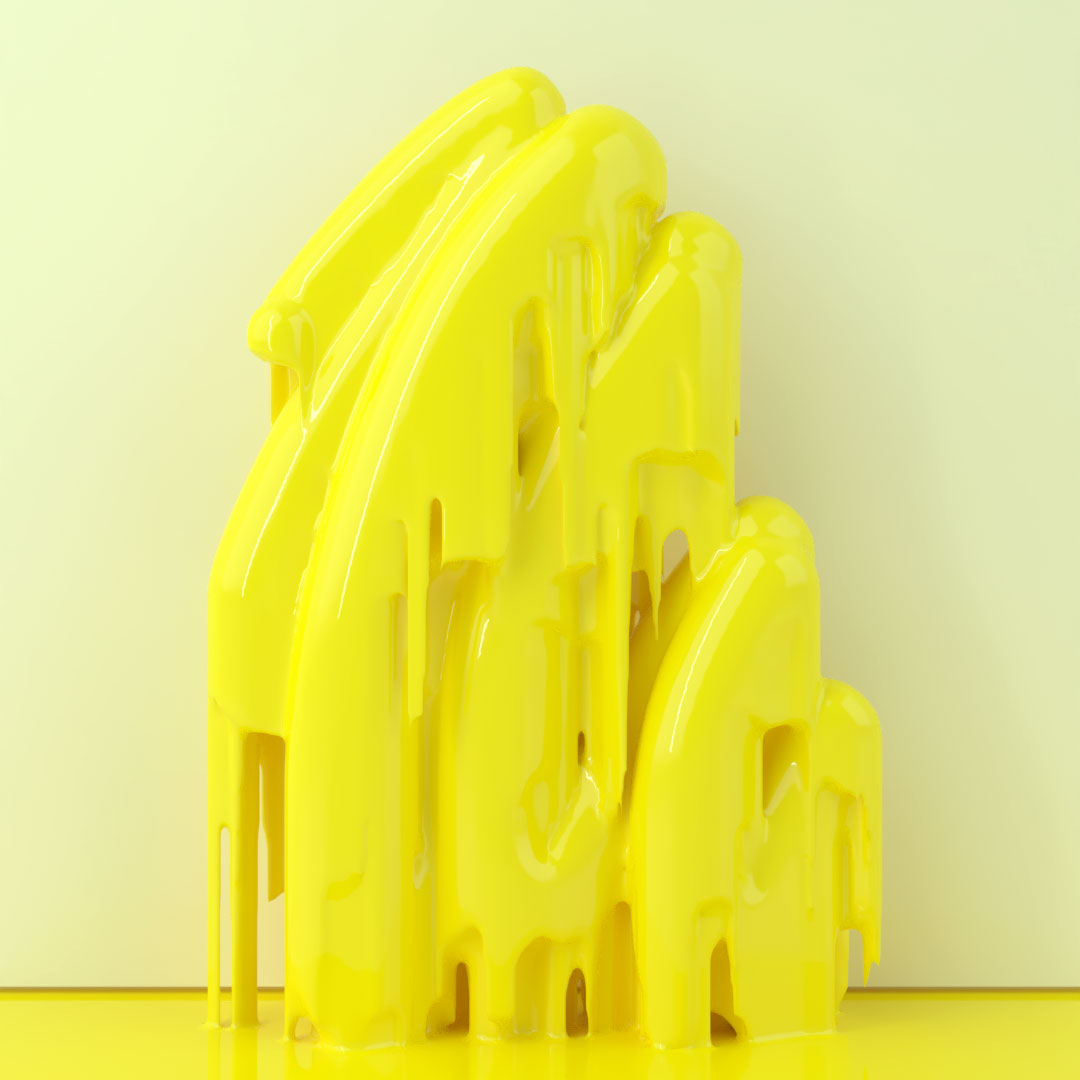
Dripping Surprisingly Yellow #4
Video Loop1080 x 1080px
2022
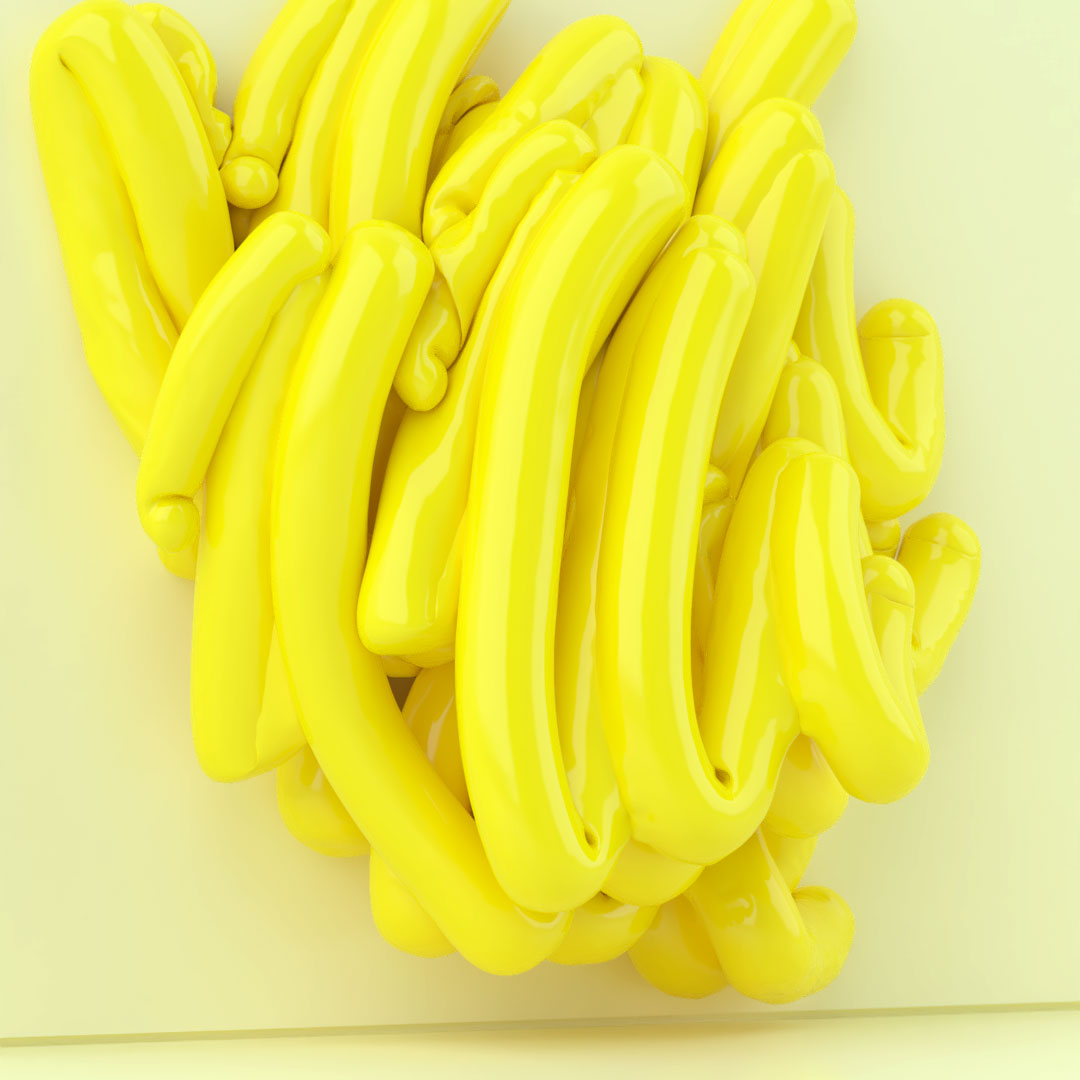
Bouncy Surprisingly Yellow #4
Video Loop1080 x 1080px
2022
Surprisingly Turquoise #1 Bundle
Digital Object64 x 48 x 19 cm
Unique, 2022
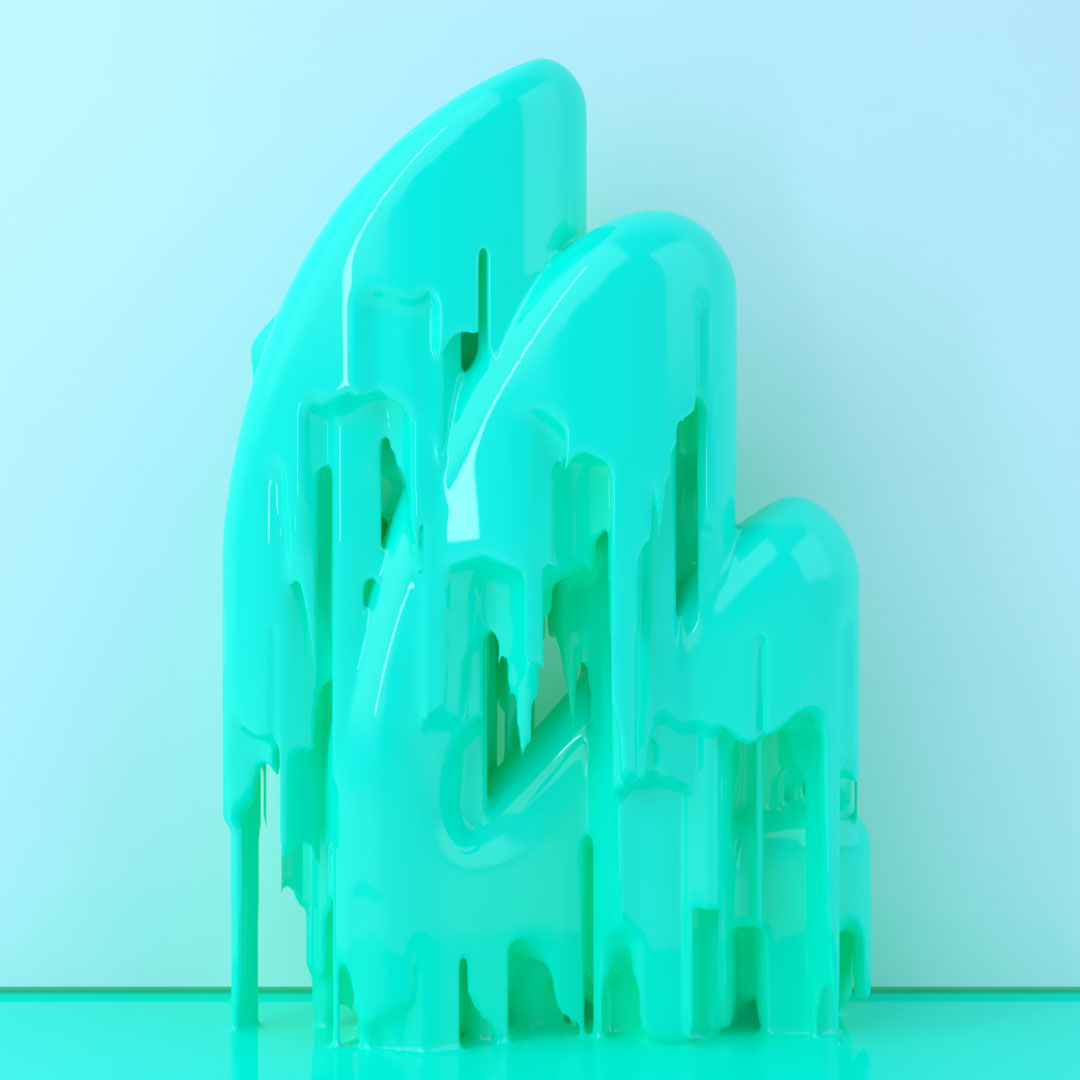
Dripping Surprisingly Turquoise #1
Video Loop1080 x 1080px
2022
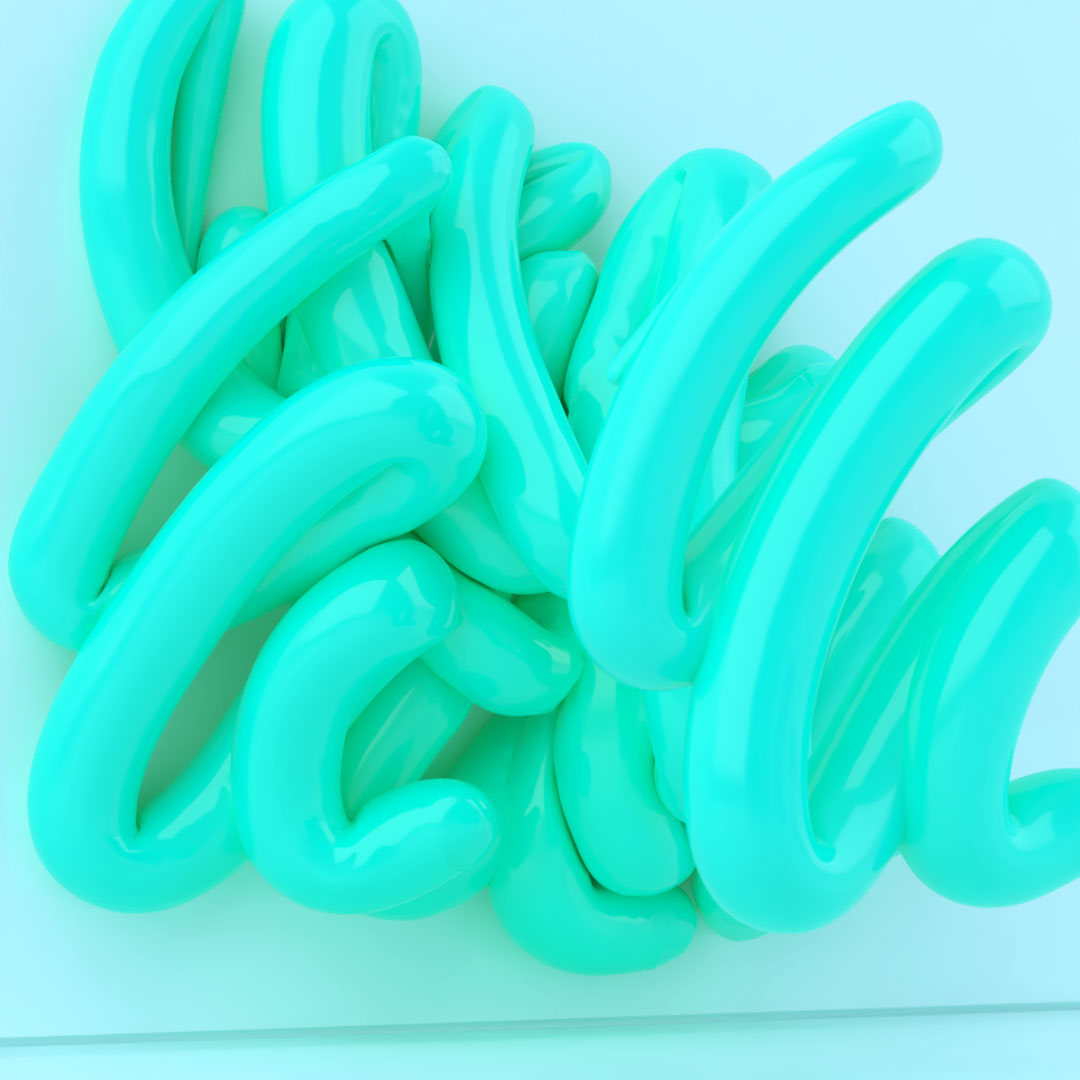
Bouncy Surprisingly Turquoise #1
Video Loop1080 x 1080px
2022
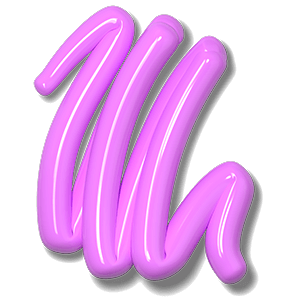
Surprisingly Pink #3 Bundle
Digital Object66 x 52 x 17 cm
Unique, 2022
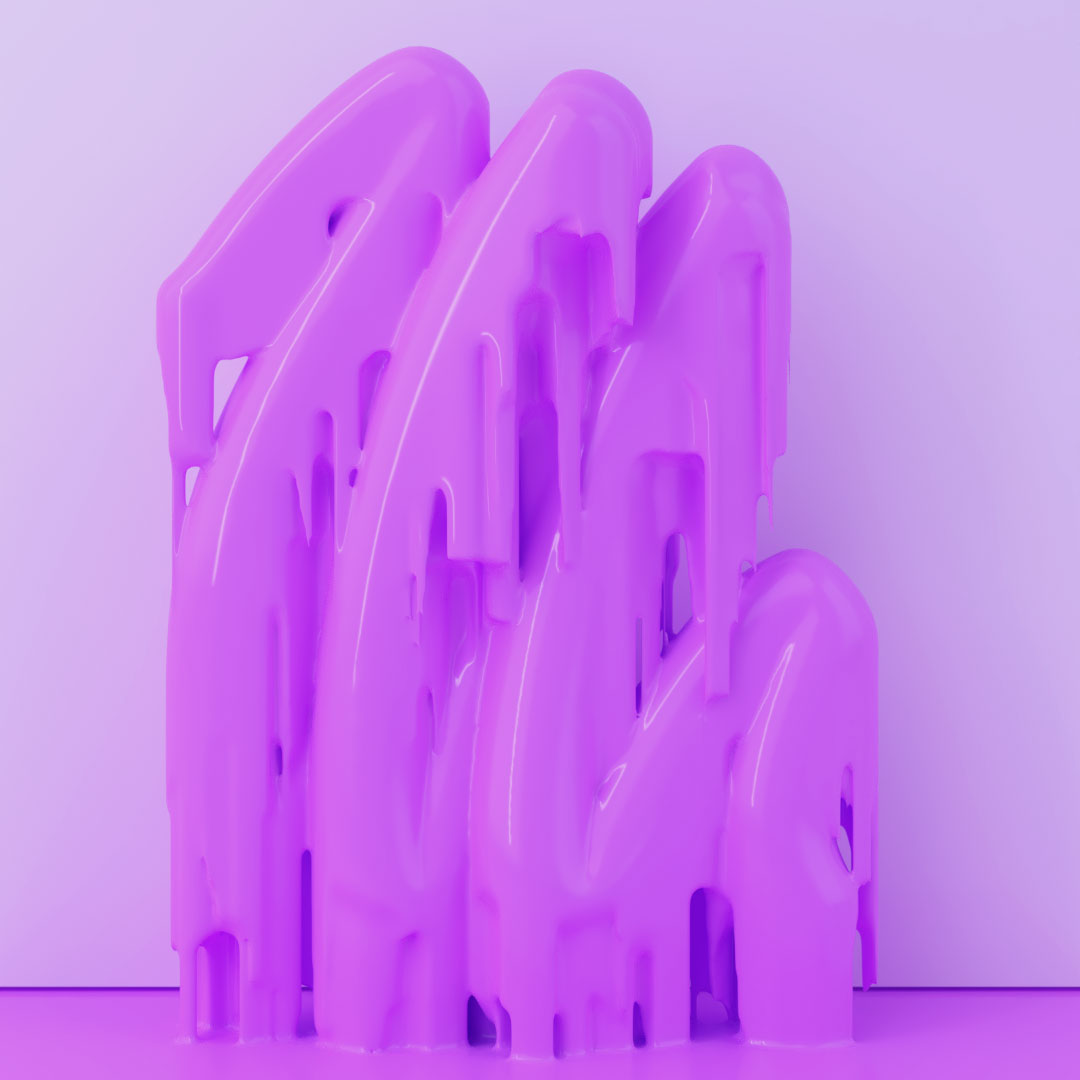
Dripping Surprisingly Pink #3
1080 x 1080pxVideoloop
2022
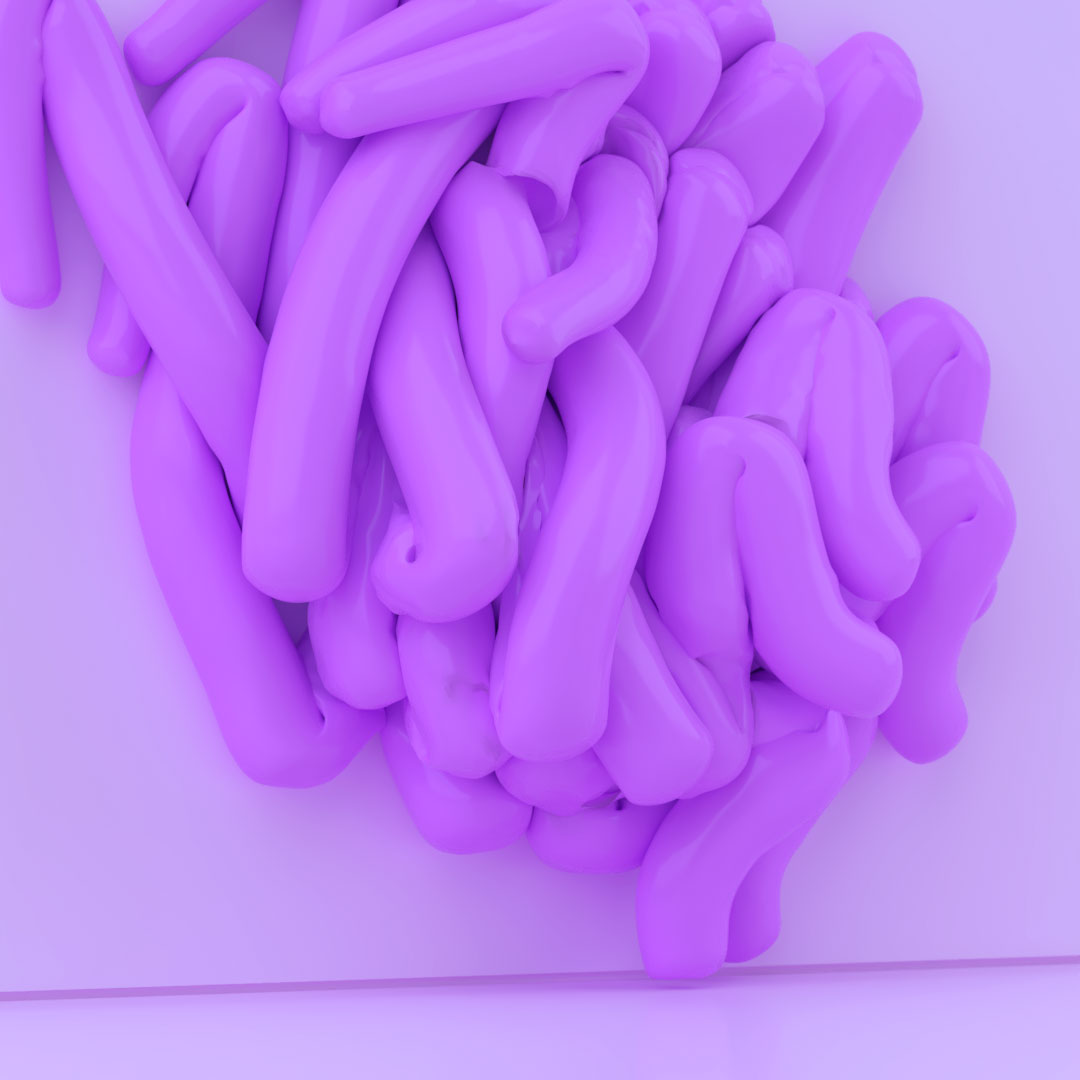
Bouncy Surprisingly Pink #3
1080 x 1080pxVideoloop
2022

Surprisingly Blue #6
Digital Object62 x 50 x 13 cm
Unique, 2022
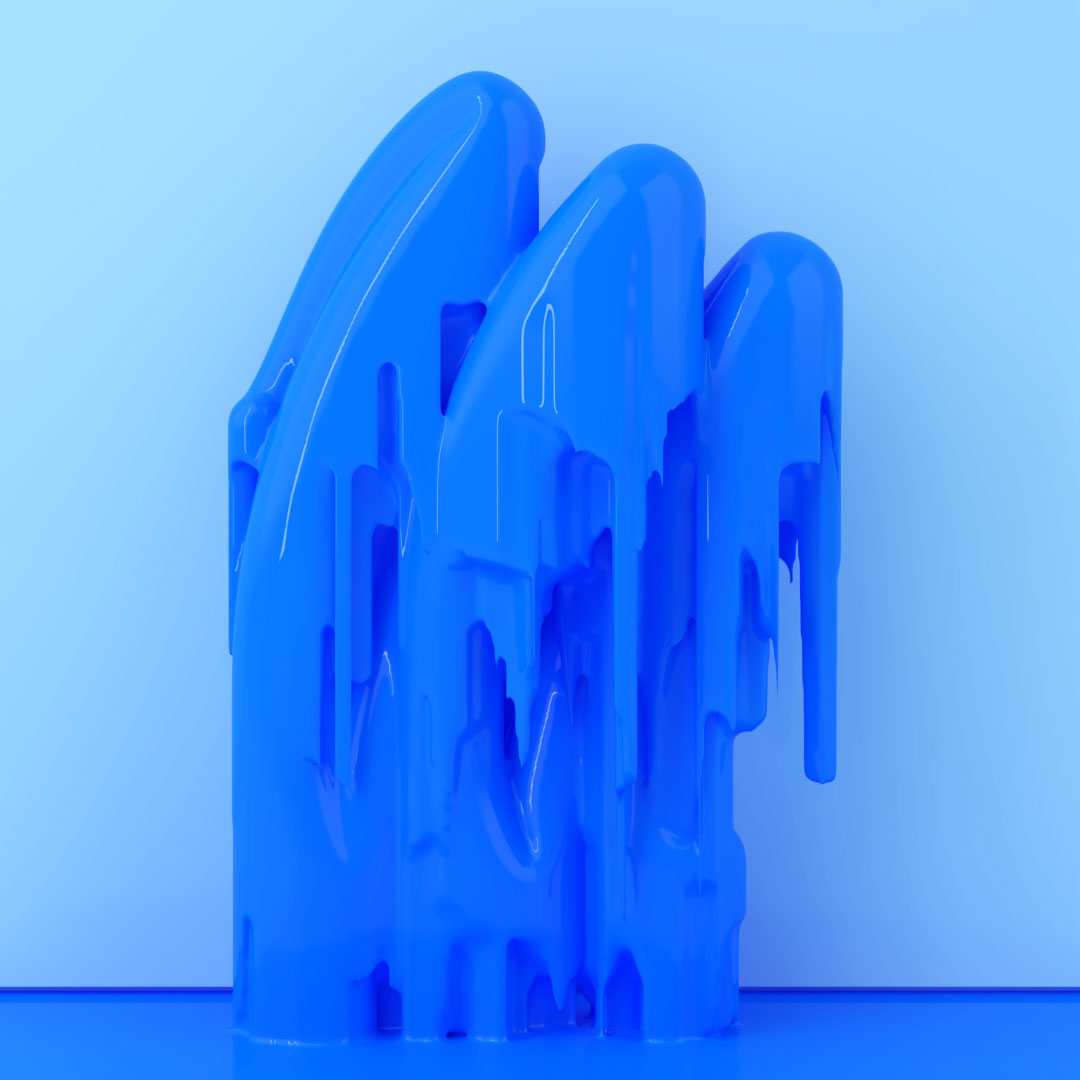
Dripping Surprisingly Blue #6
1080 x 1080pxVideoloop
2022
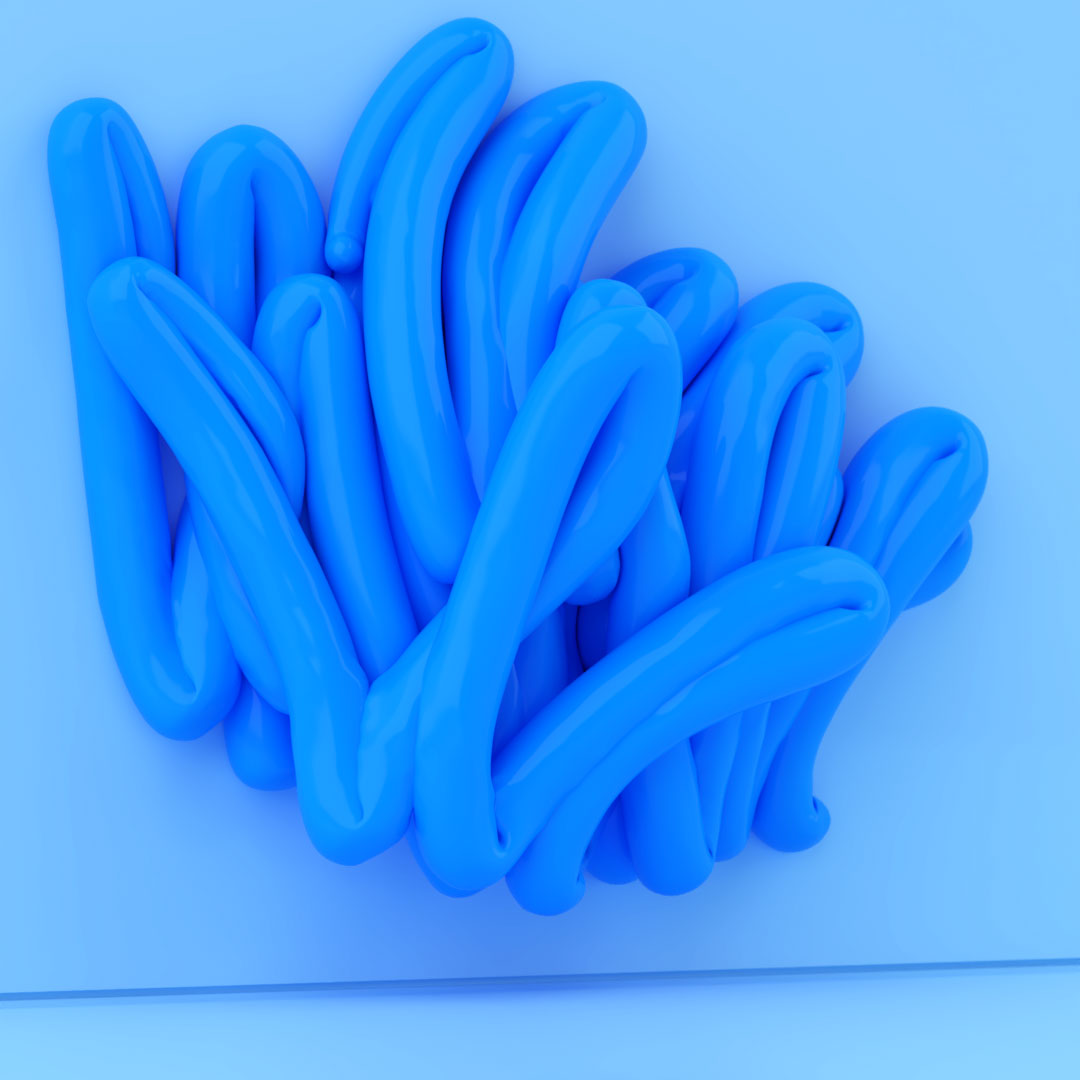
Bouncy Surprisingly Blue #6
1080 x 1080pxVideoloop
2022
Surprisingly Yellow #5
Digital Object64 x 55 x 14 cm
Unique, 2022
Surprisingly Blue #7
Digital Object62 x 49 x 17 cm
Unique, 2022
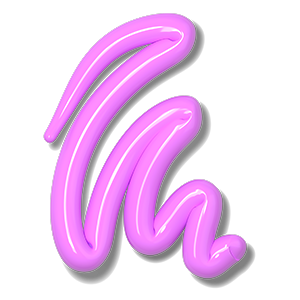
Surprisingly Pink #4 Bundle
Digital Object63 x 48 x 14 cm
Unique, 2023
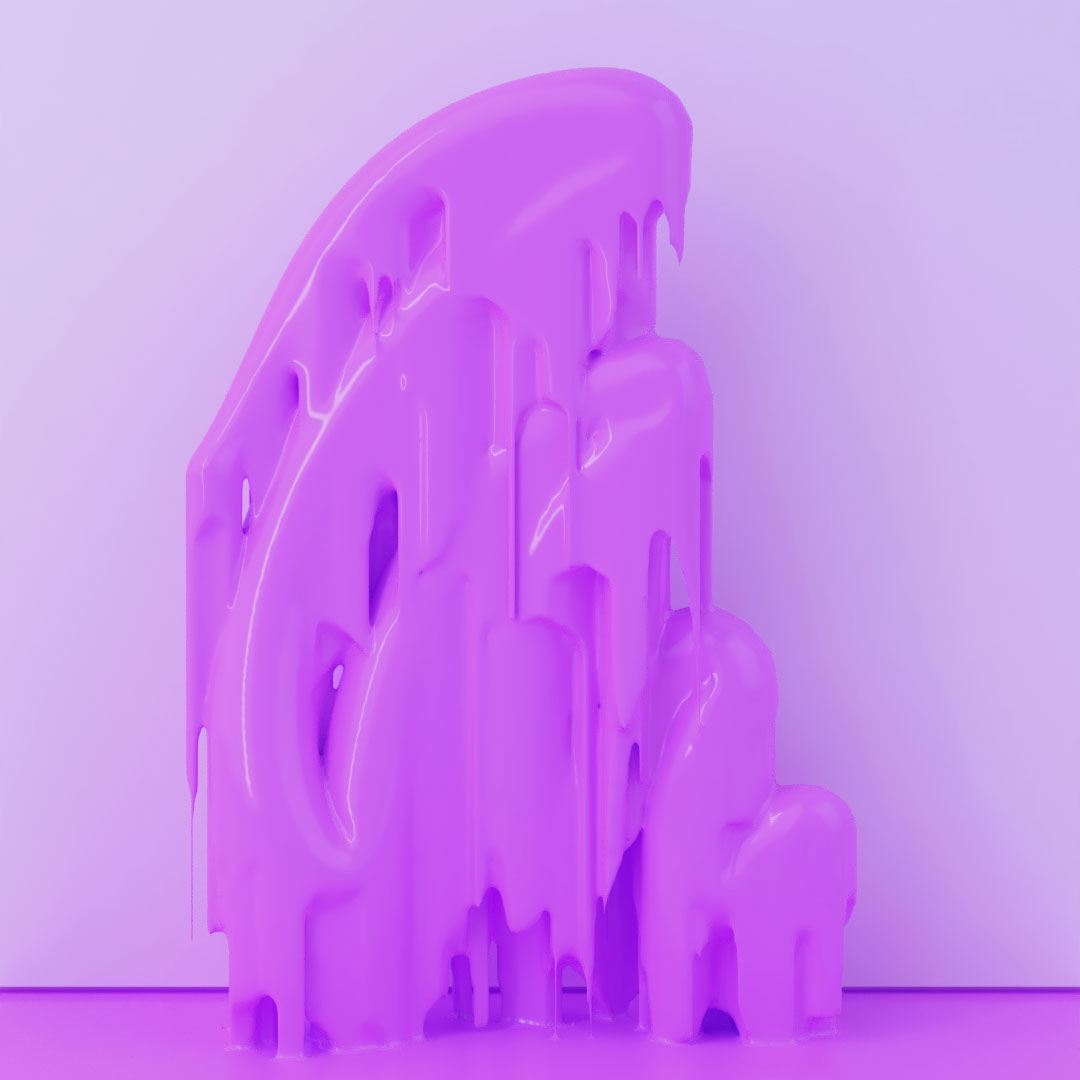
Dripping Surprisingly Pink #4
1080 x 1080pxVideoloop
2023
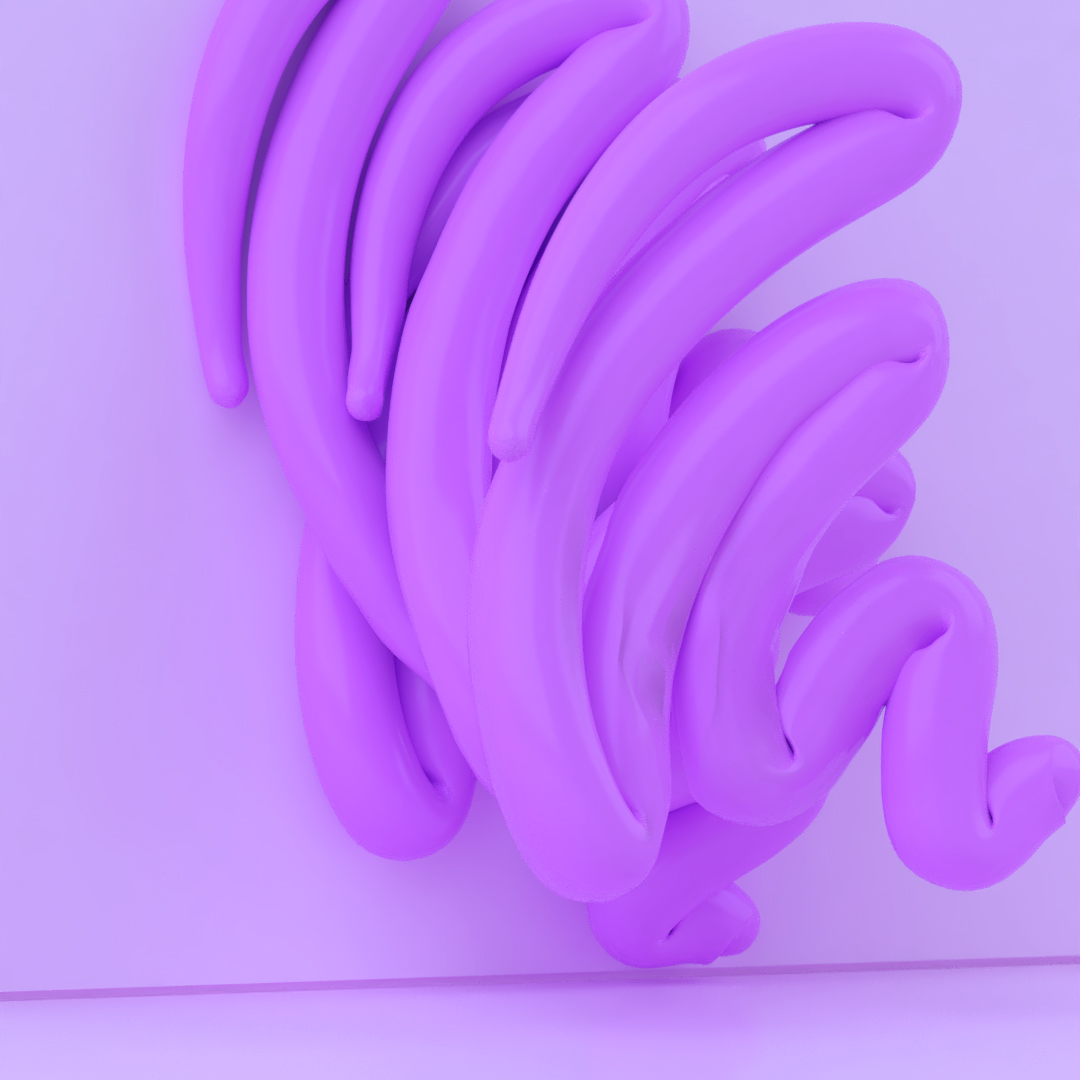
Bouncy Surprisingly Pink #4
1080 x 1080pxVideoloop
2023
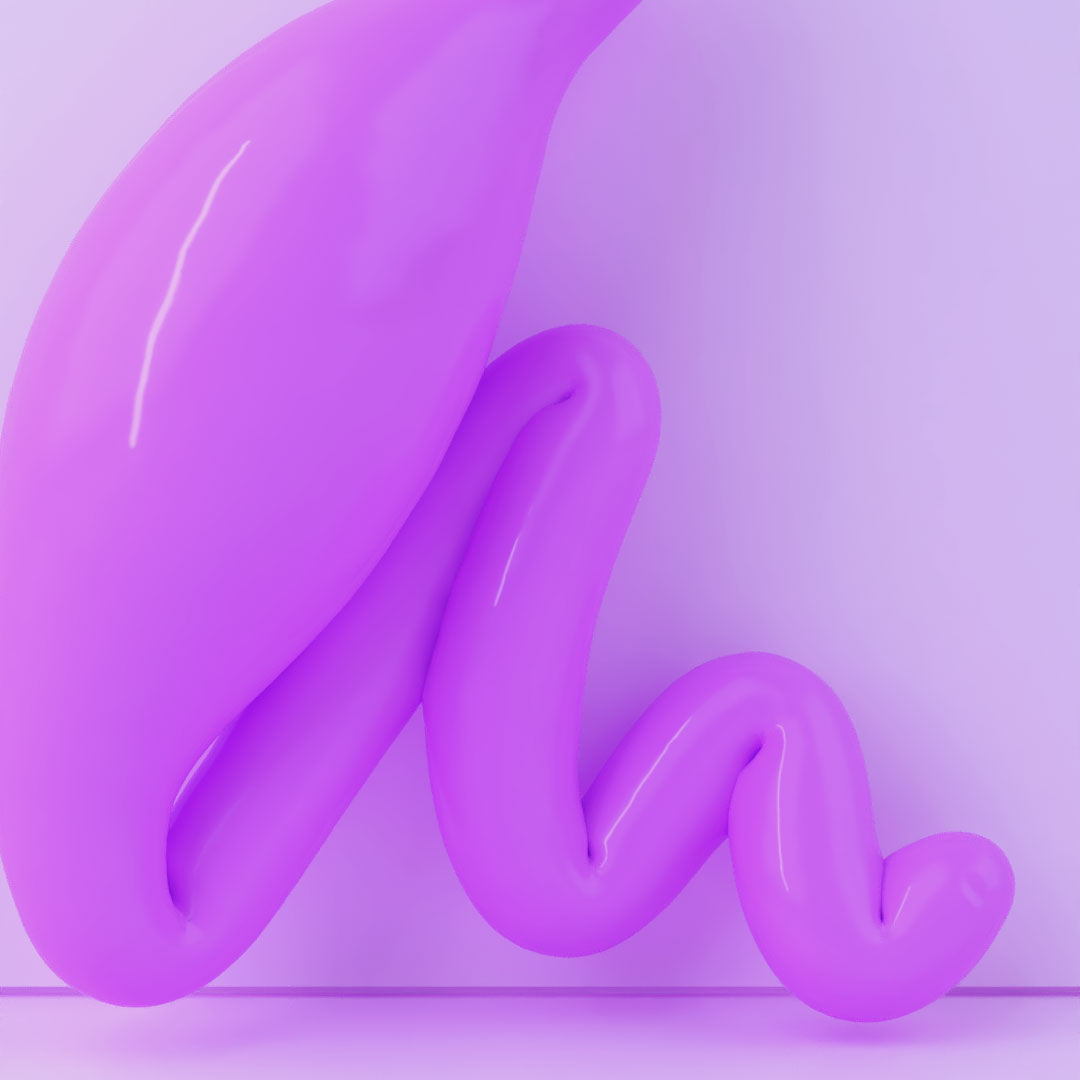
Inflating Surprisingly Pink #4
Video Loop1080 x 1080px
2023
The series SURPRISINGLY consists of 100 unique 3D paintings by the German artist Manuel Rossner. You can display the hand-drawn 3D artwork in your virtual gallery and home in the metaverse.
Every 3D model in the series has a physical counterpart. The exact shapes are materialized with CNC-milling. The physical paintings were part of exhibitions at Hamburger Kunsthalle and KÖNIG GALERIE.
The holders of the NFTs can decide if they would like to produce their piece together with the artist and a production company. The creation of a physical artwork is limited to 25 of the 100 digital objects.
Rossner uses virtual reality glasses to create the shapes that refer to the classic format of portrait painting. Beyond the paintings themselves, each one exists in multiple variations, which simulate the paintings’ melting and bouncing. The sets represent Rossner’s research into the materiality of the digital.
Each set includes a 3D painting as well as an increasing number of videos documenting Rossner’s exploration into the digital domain.
Digital material has qualities that make it unique. Digital material mimics what we know of the physical world. Why do we understand and perceive virtual environments when they are ultimately nothing more than a collection of zeros and ones?
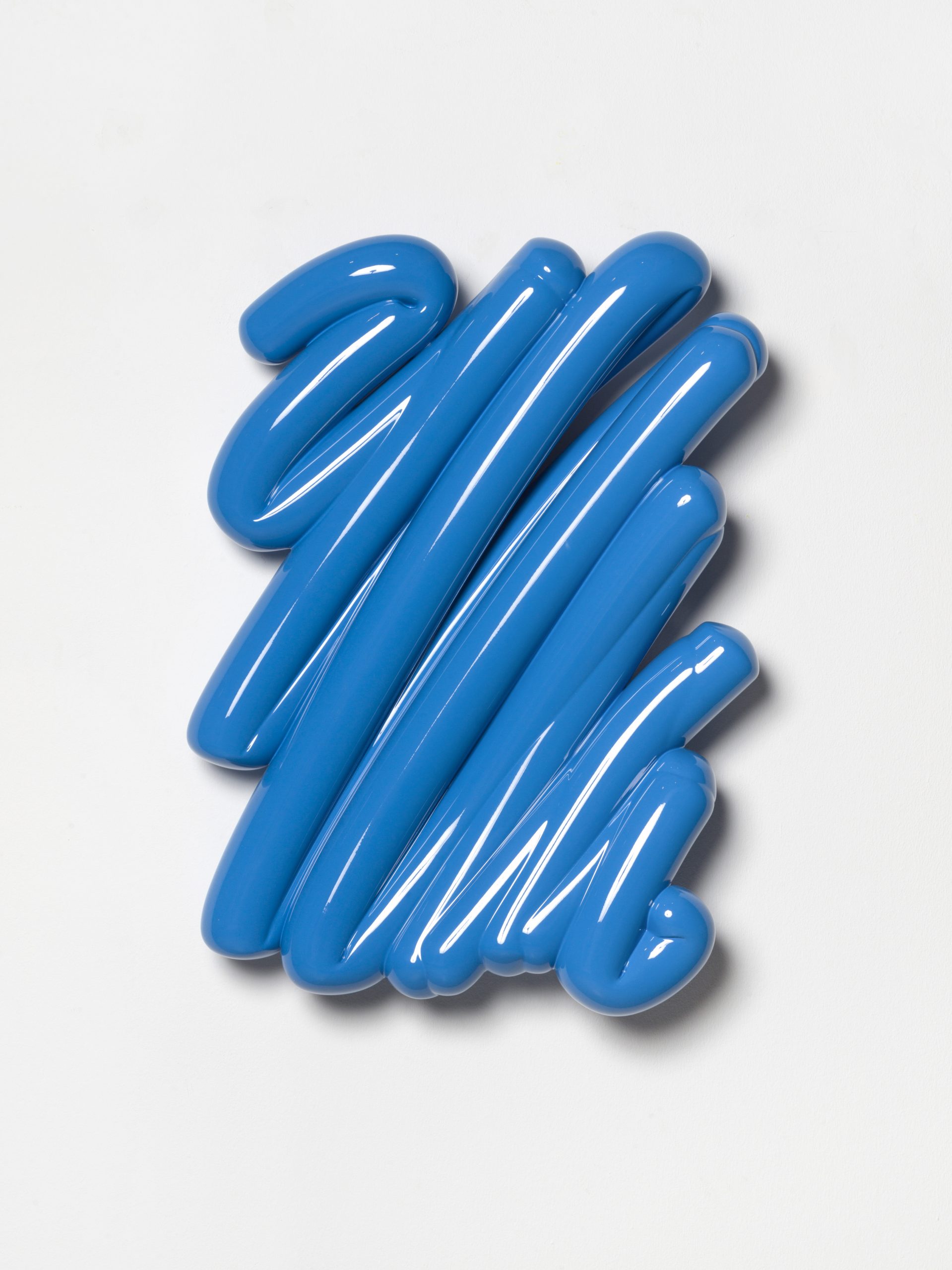
Surprisignly Blue #3
KÖNIG GALERIE
Foto: Roman März
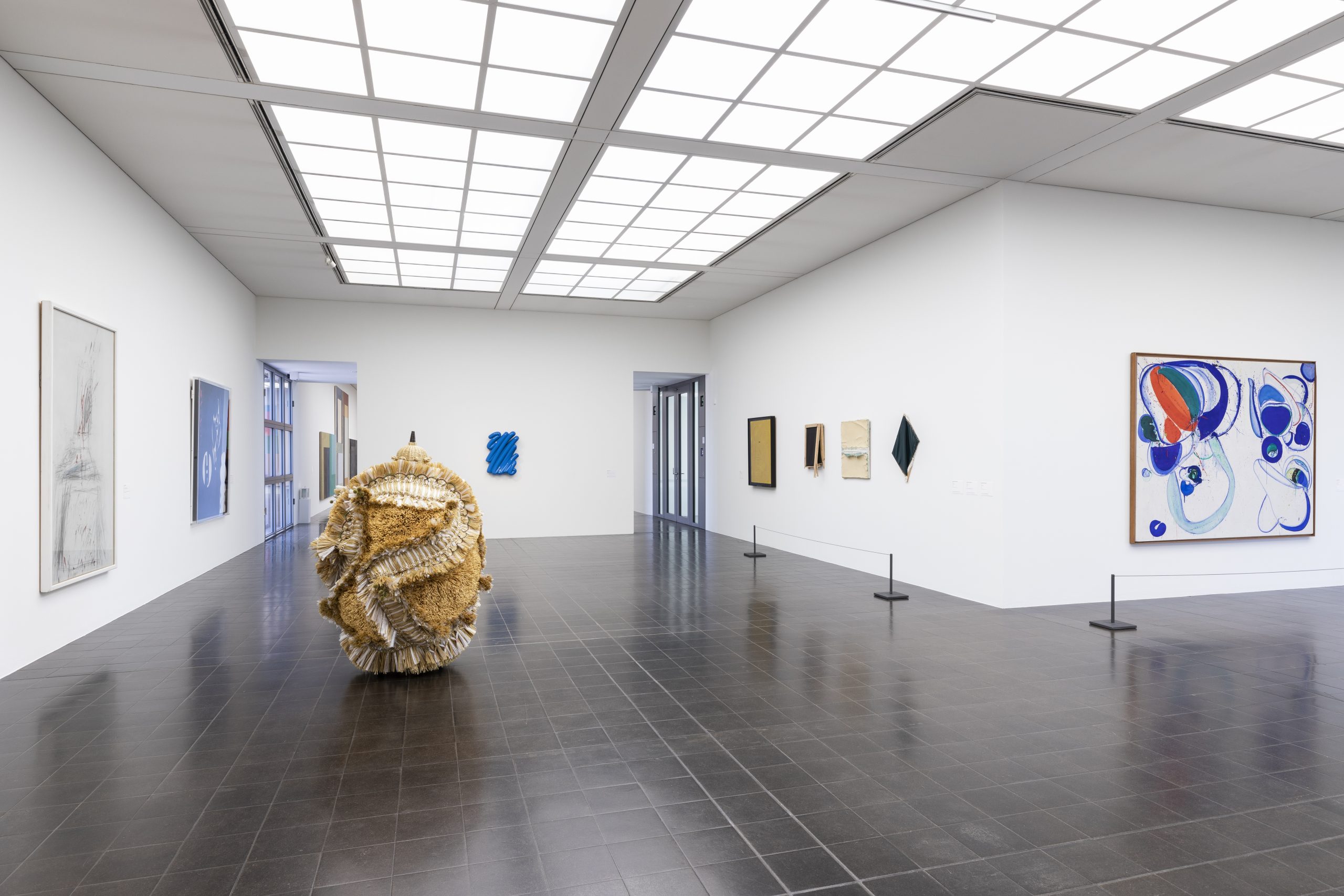
Surprisignly Blue #3
Out of Space
Hamburger Kunsthalle
Foto: Fred Dott
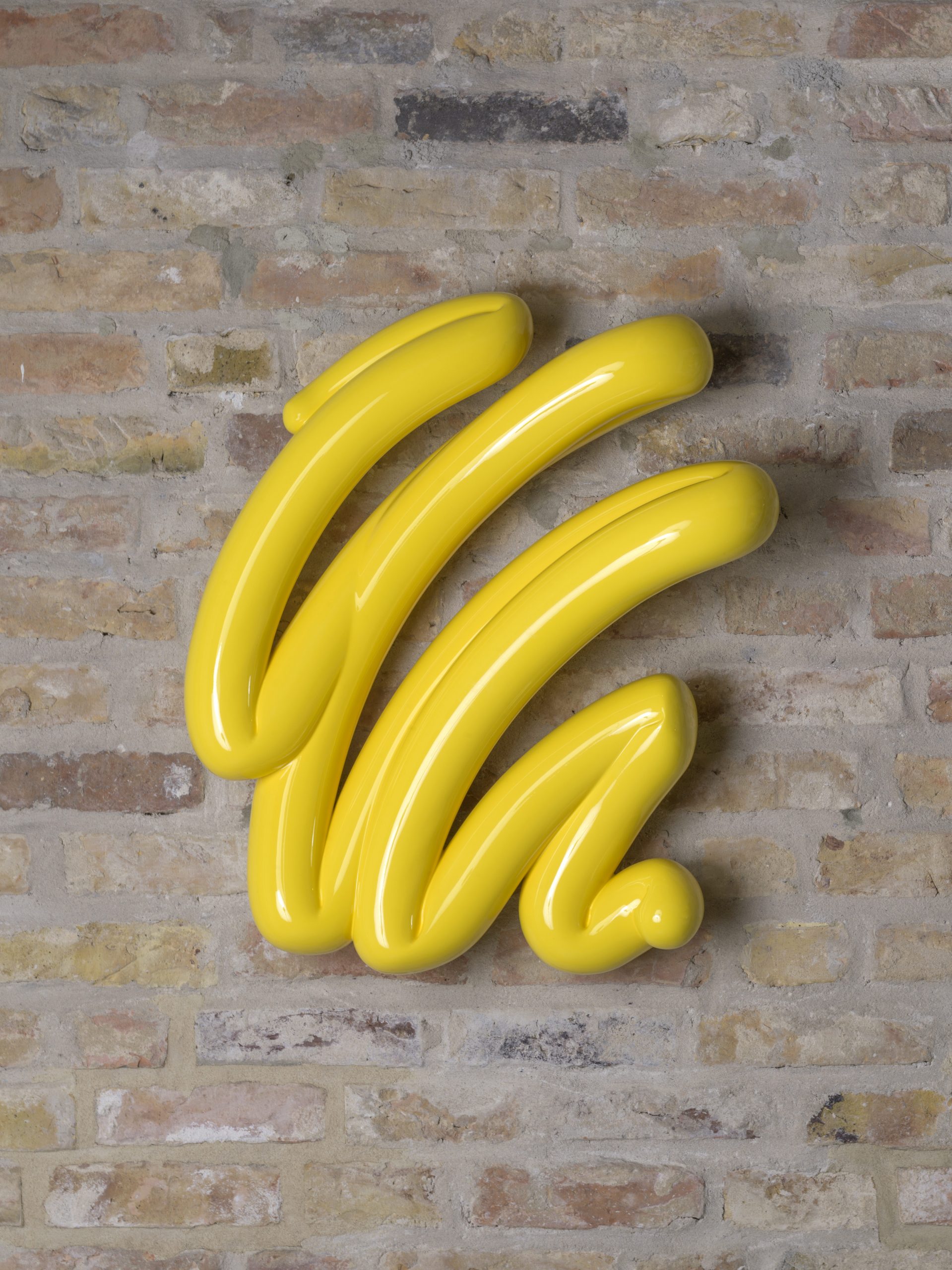
Surprisingly Yellow #2
Foto: Roman März
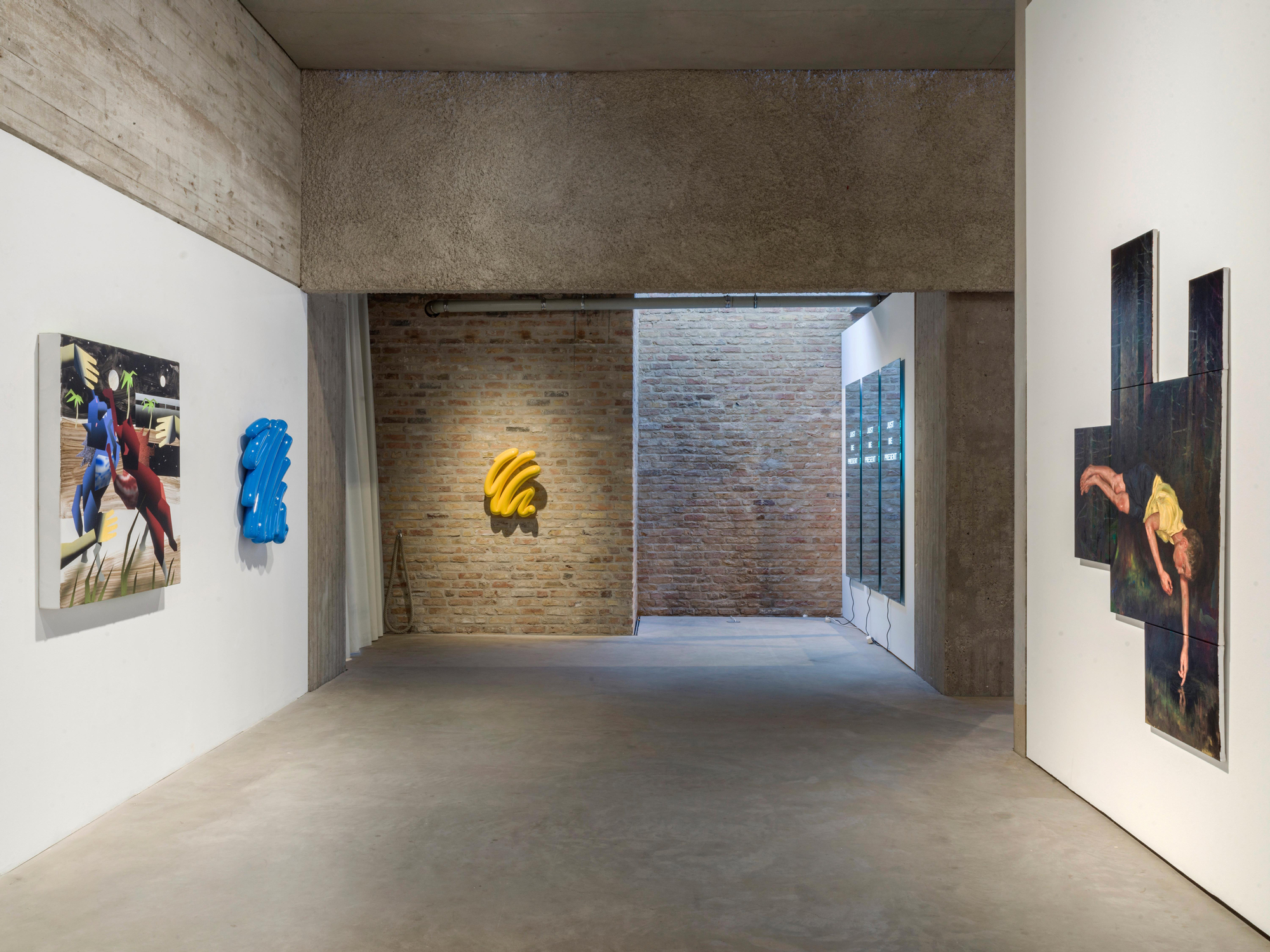
The Artist Is Online
KÖNIG GALERIE, 2021
(Installation View)
Foto: Roman März
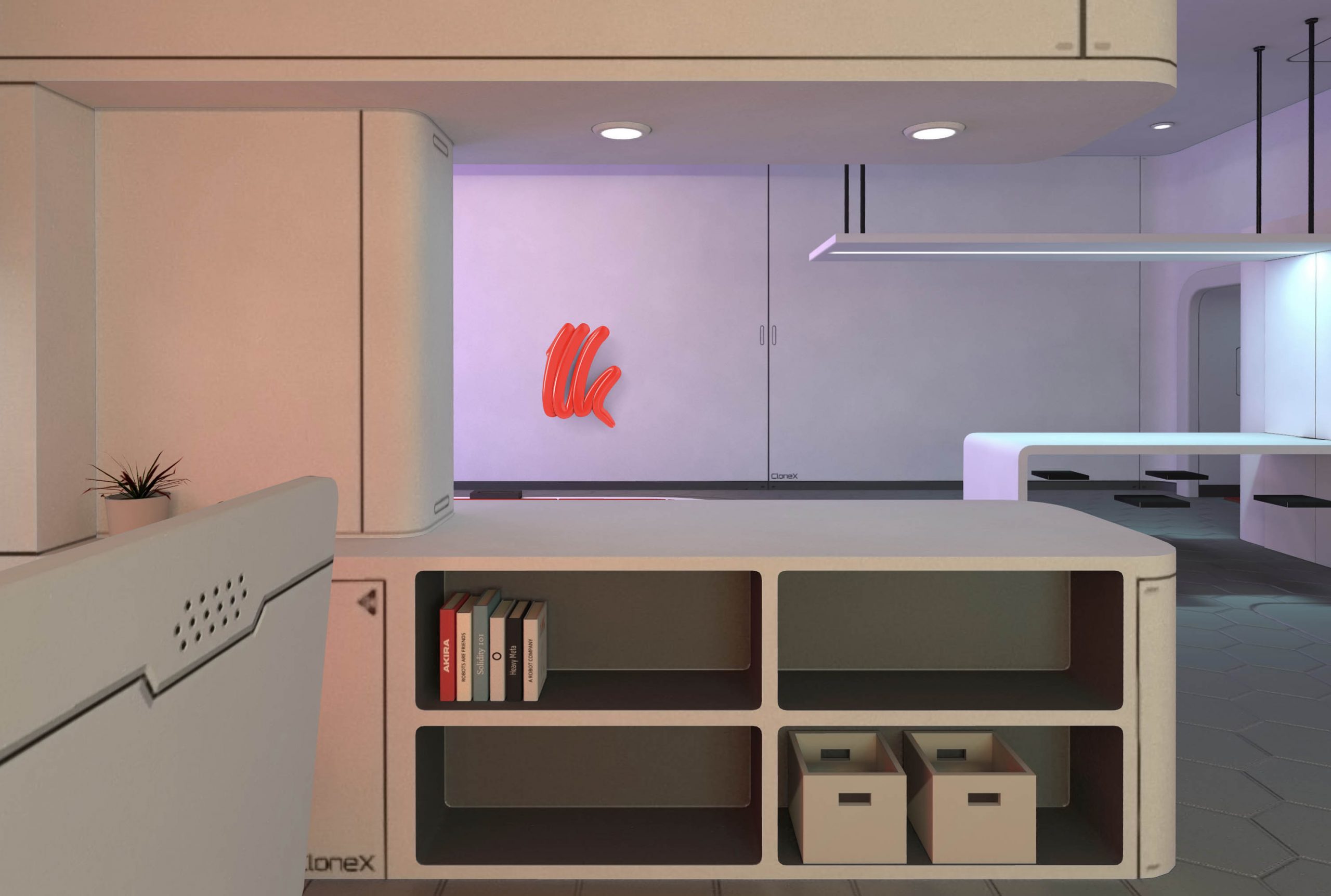
Surprisingly Red #1
In an RTFKT Spacepod
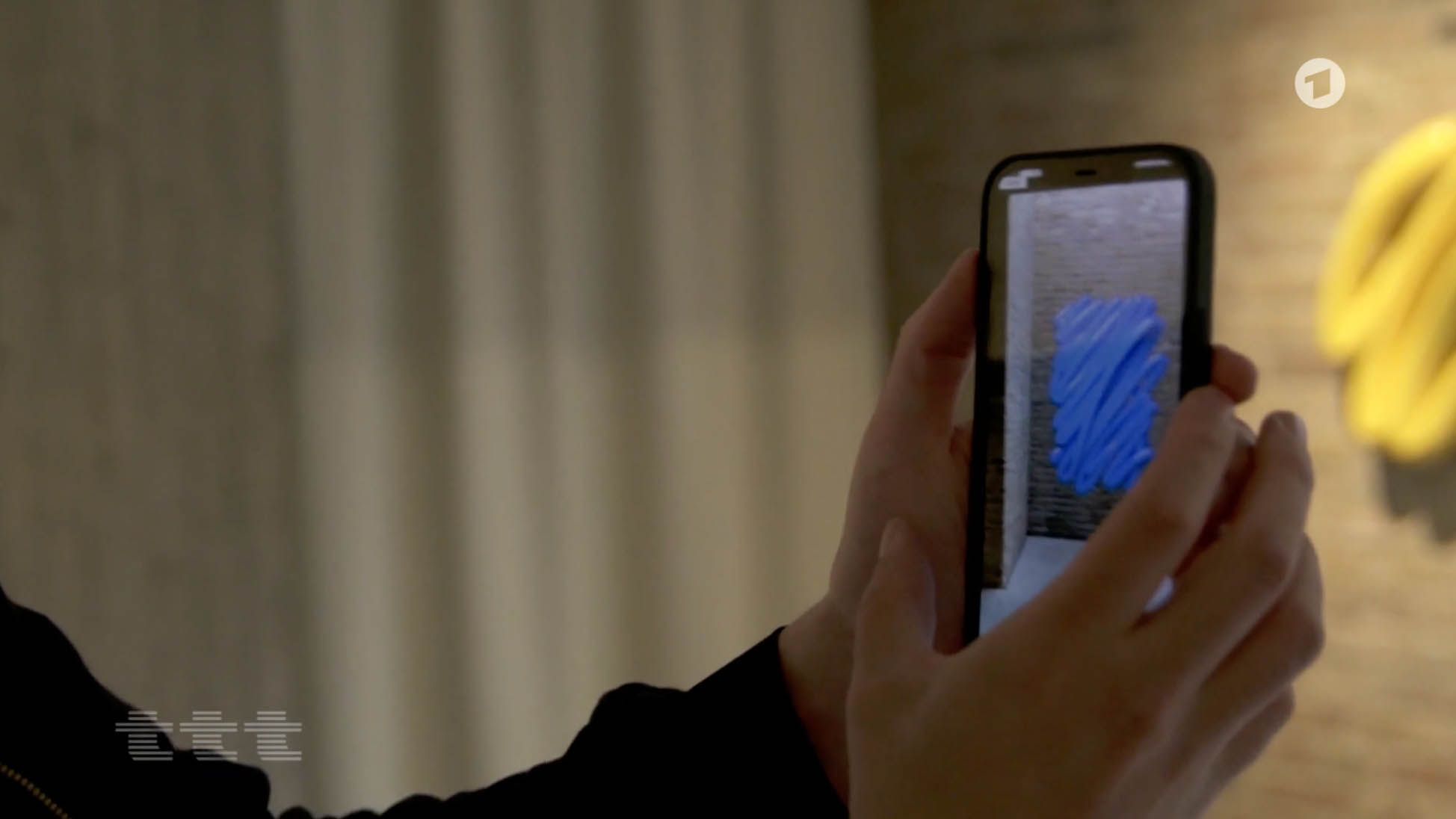
Augmented Reality on ARD
ttt – titel, thesen, temperamente
FAQ
What do I need to buy an NFT?
A MetaMask wallet.
How do I get a MetaMask wallet?
Please watch my tutorial here.
Where do I buy ETH?
There are multiple options such as Coinbase, Binance, and Kraken.
What‘s the difference between buying an NFT on OpenSea and on this website?
To buy the NFT on OpenSea, you need to have an existing wallet. If you buy via my website, you can create a wallet later, and you don‘t need cryptocurrency.
What can I do with my NFTs?
You can display them in your virtual gallery (tested with OnCyber) and at your home in the metaverse. You can also view them in augmented reality (AR).
How can I get a physical artwork?
There’s a maximum of 25 in the series that will be produced physically. Some can be purchased as a bundle together with the digital NFT. The physical artworks are produced in collaboration with the artist and a manufacturer. Please get in touch.
What do I get, when I purchase a bundle?
You’ll receive the 3D object you select. In addition to that, you’ll receive the “Dripping” and “Bouncy” states.
* Owners info from OpenSea. Not automatically updated.











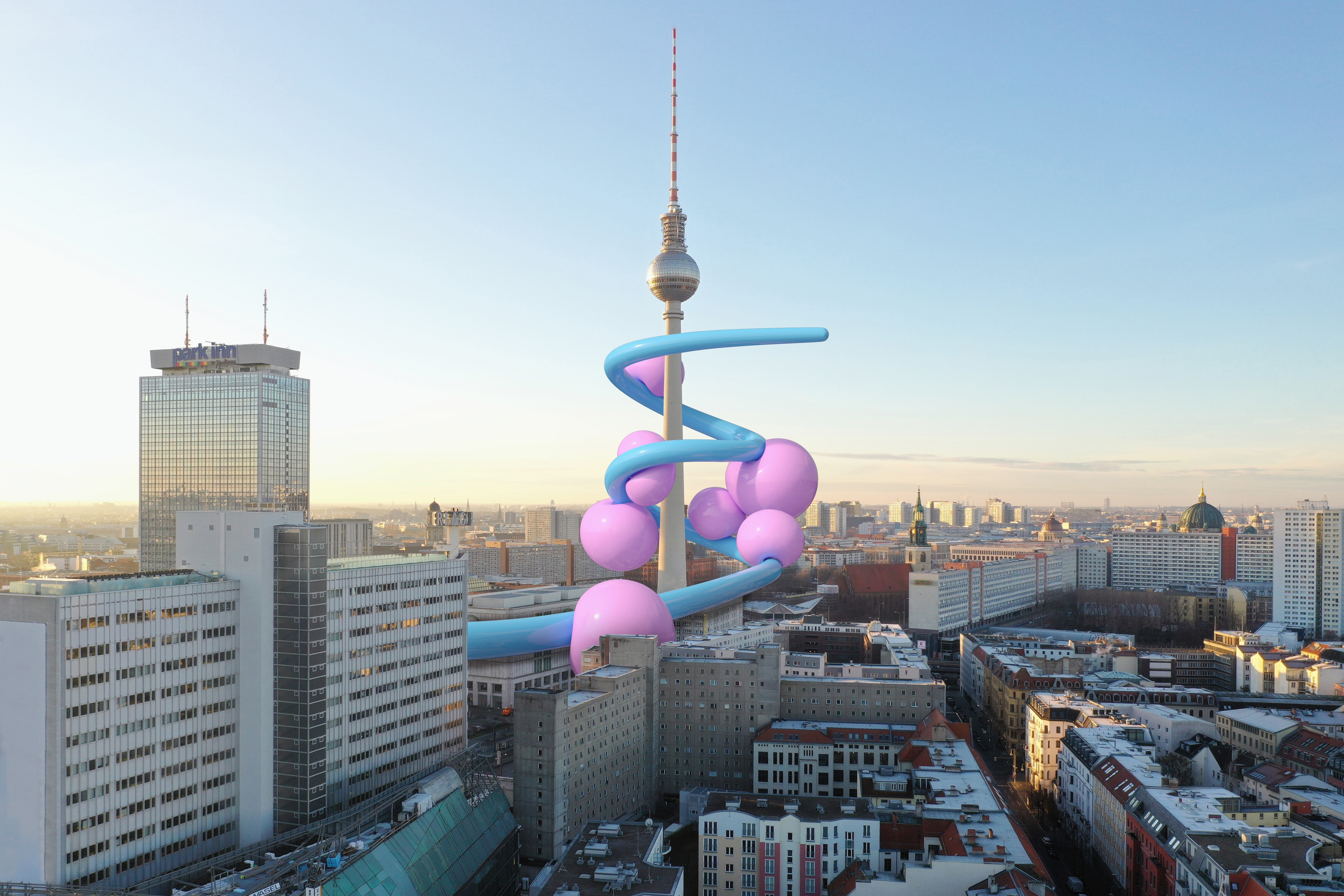
HOTFIX for Highsnobiety’s BERLIN, AUGMENTED BERLIN, 2021
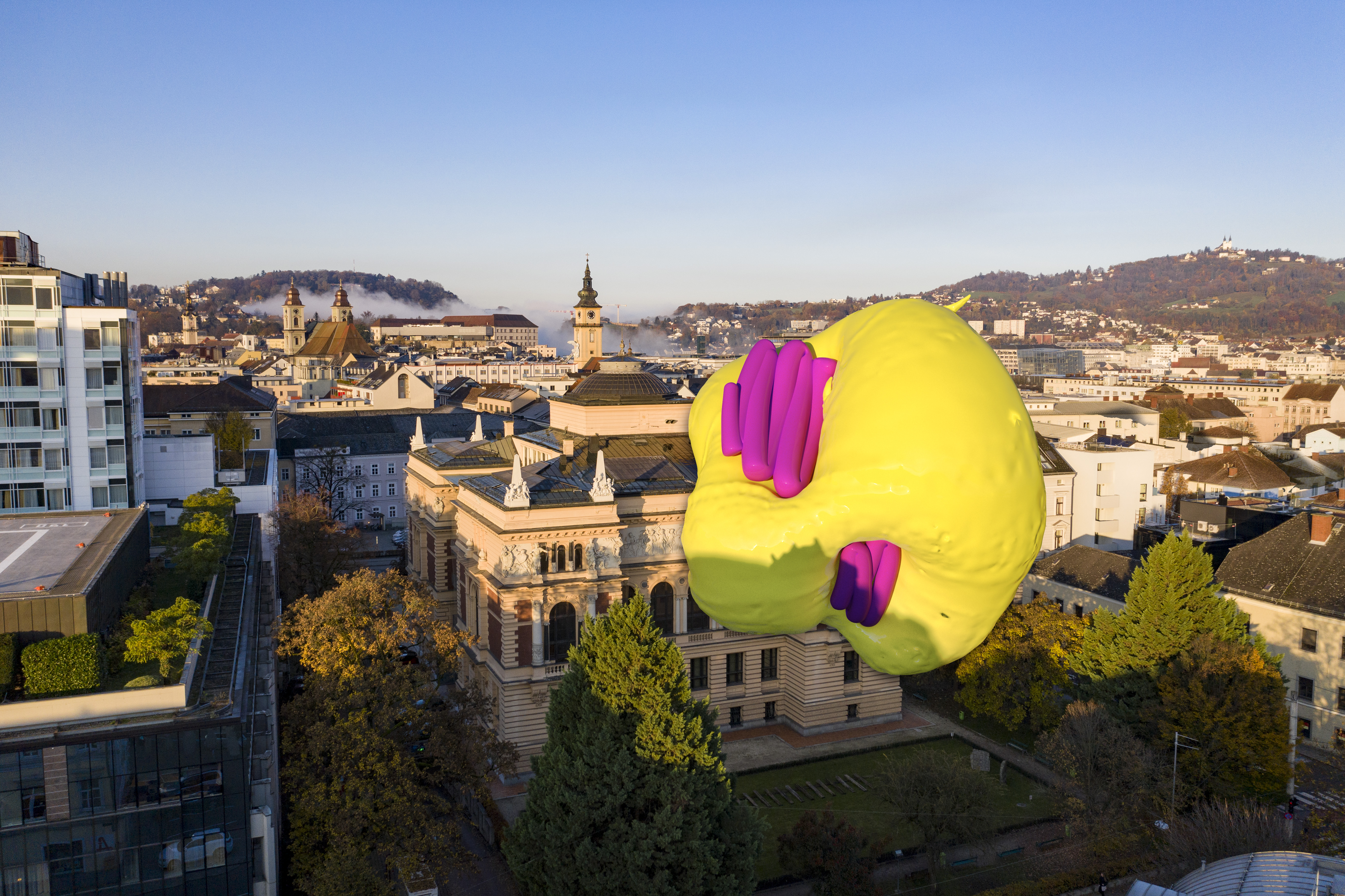
BUT DOESN’T THE BODY MATTER?
Francisco Carolinum, Linz, 2021
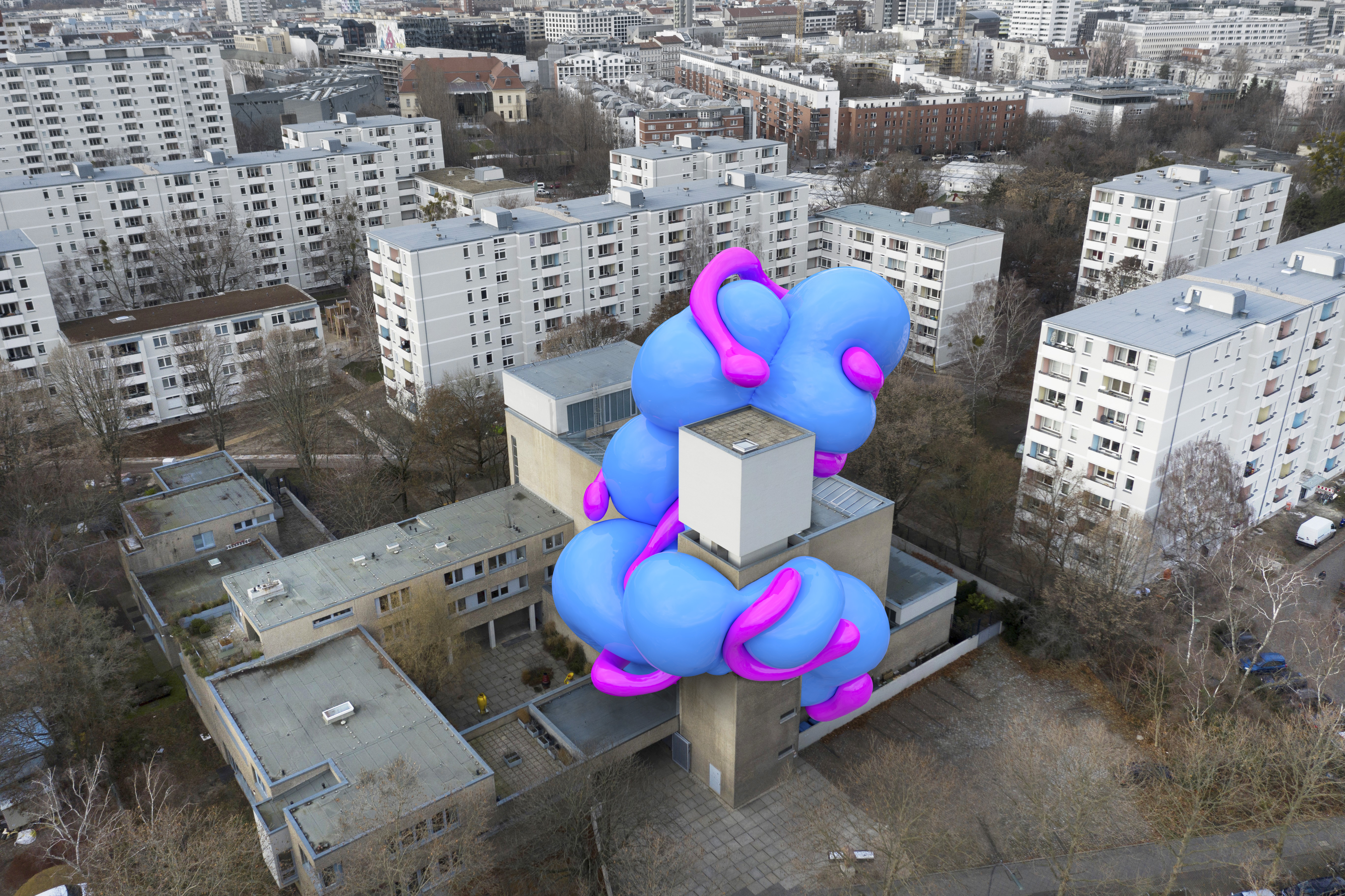
SURPRISINGLY THIS RATHER WORKS
KÖNIG GALERIE, Berlin, 2020
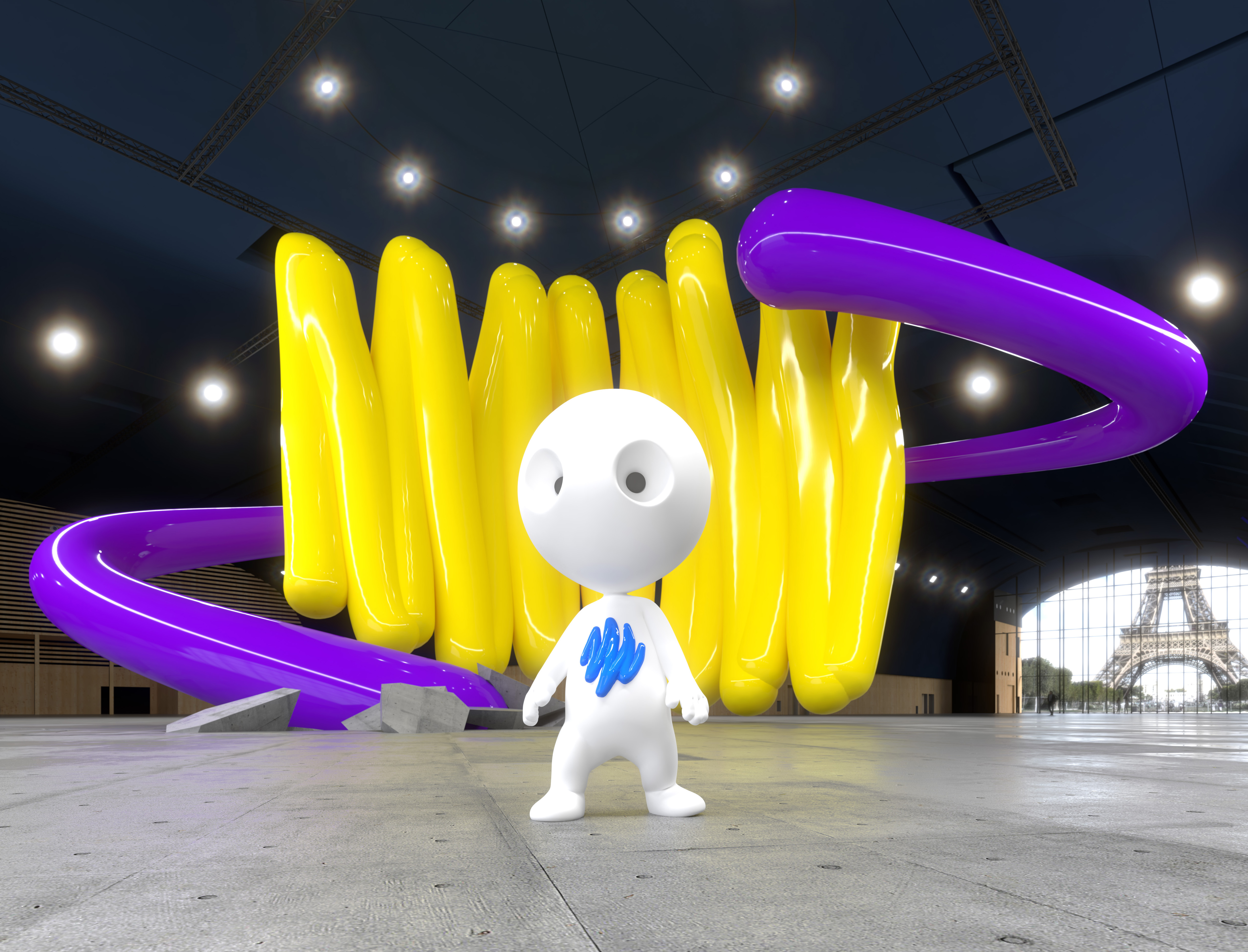
WHERE TO GO FROM HERE?
Grand Palais Éphèmere, Paris, 2021
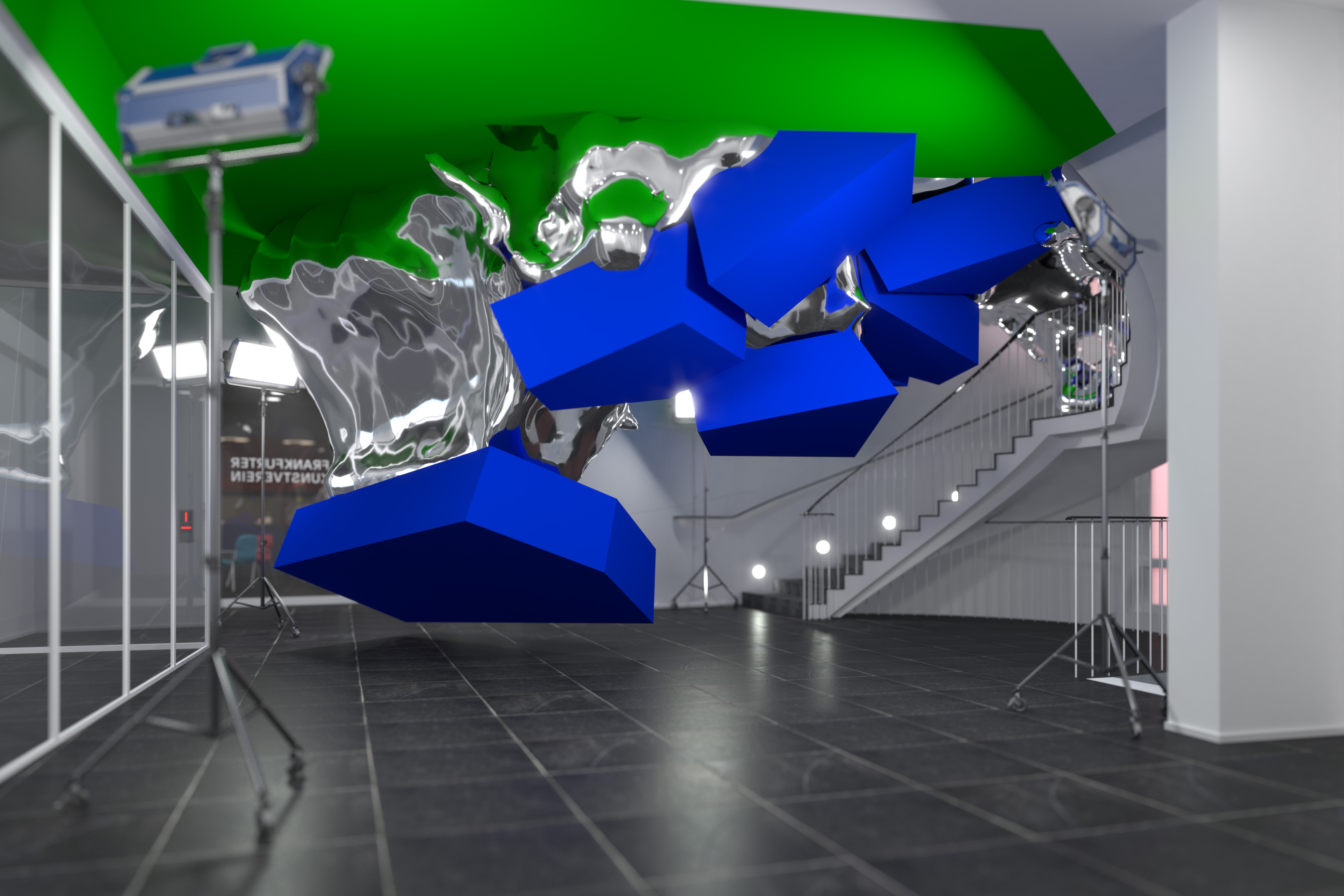
WETWARE
Frankfurter Kunstverein, 2017
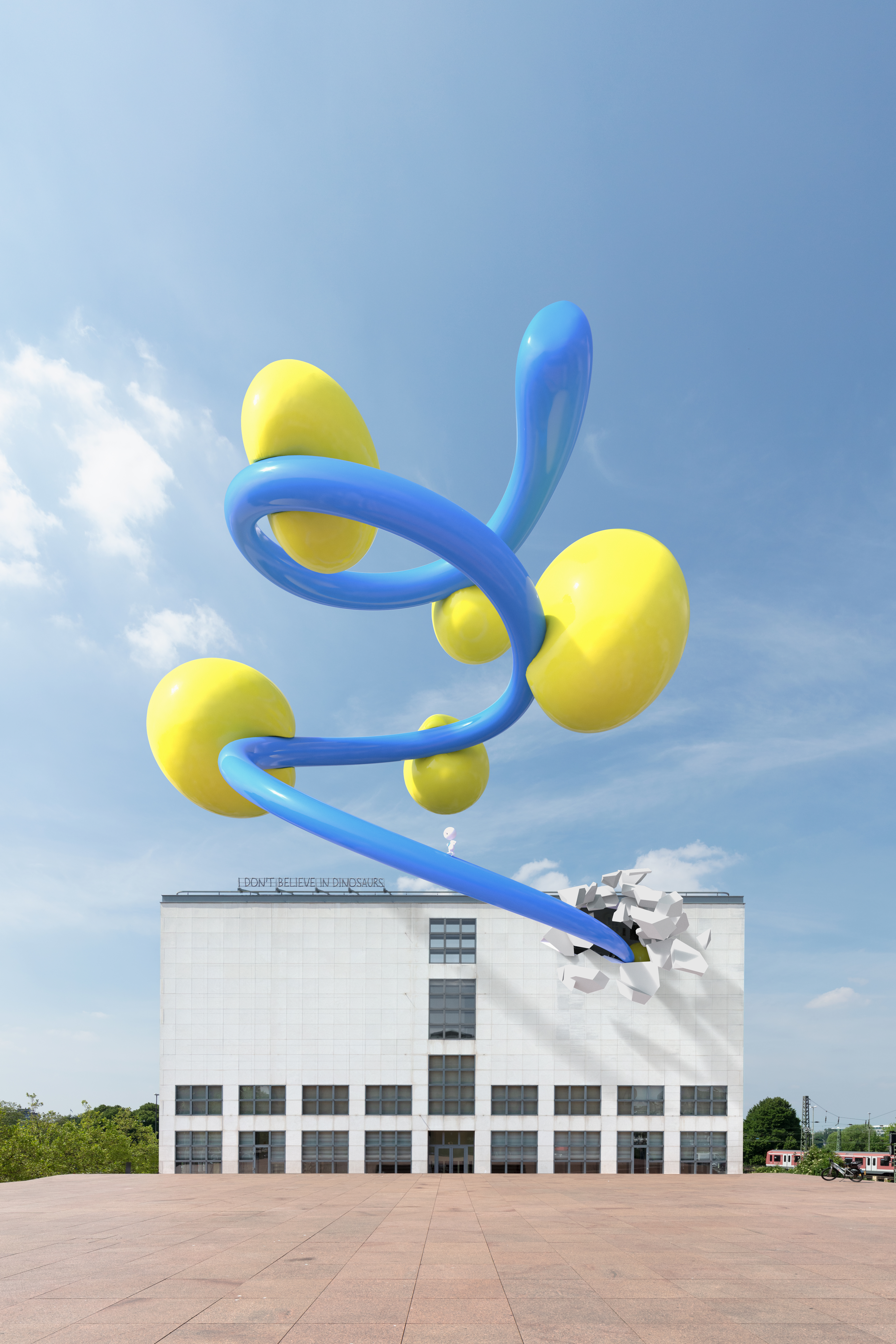
HOW DID WE GET HERE?
Hamburger Kunsthalle, 2021
ABOUT MANUEL ROSSNER
Since 2012, Rossner has been designing digital spaces and virtual worlds in which he investigates the effects of technological developments on society and art. He builds interactive architecture with digital materials that are spatial interventions and virtual extensions. In 2012, Rossner founded the virtual Float Gallery, an Internet platform for digital art.
Manuel Rossner (* 1989) lives and works in Berlin. He studied art at the University of Art and Design Offenbach, the École des Arts-Décoratifs Paris and the Tongji College for Design and Innovation Shanghai.
In 2017, he designed a digital extension for the NRW-Forum Düsseldorf and curated together with Alain Bieber the VR exhibition “Unreal,” which included works by Tabita Rezaire, Banz & Bowinkel, and Theo Triantafyllidis, among others.
In 2019, he designed the virtual gallery building CUBE for Roehrs & Boetsch in Zurich. In this space, he showed his piece “Malibu” as part of the exhibition “Virtual Natives – Sculpture,” which also included works by Martina Menegon and Chiara Passa.
Rossner uses digital exhibition rooms as so-called ‘gyms’ in which he trains artificial intelligence. In his solo exhibition “Surprisingly This Rather Works” in the KÖNIG GALERIE he shows objects which form an AI training course. The digital visitor experiences the course through an avatar. Rossner transformed the brutalist church St. Agnes into a gaming environment inspired by the 1990s game show “American Gladiators” and gyms that companies like OpenAI in San Francisco use for cutting-edge research in the field of artificial intelligence. He explores the question of what life will look like in the future with AI.
In 2021 Rossner participated in the group show “Out of Space” at Hamburger Kunsthalle. The exhibition focuses on the notion of space in the work of artists such as Dan Graham, Gordon Matta-Clark and Charlotte Posenenske. Rossner created the site specific virtual reality installation “How Did We Get Here?” for the exhibition. The artwork is the first NFT (Non Fungible Token) in the permanent collection of the museum.
For the Grand Palais Éphemère in Paris Rossner created the artwork “Where to Go from Here?”. It’s shown where multiple world exhibitions took place and where the Eiffel Tower, one of the most recognizable steel structures in the world, was built from 1887 to 1889.
Rossner’s site-specific augmented reality experience questions the future of technology. Its sleek aesthetic, the “signature of the present” (Byung Chul-Han), represents the digital age in which speed, flexibility and gamification are idealized.
FURTHER SOLO AND GROUP EXHIBITIONS
“Do You Miss the Future?” at Hyundai Motor Studio Busan, South Korea; “Open Space: New Flatland” at ICC Tokyo (2021/22); “Global Gallery” curated by KÖNIG and presented by Porsche among others in Times Square, Shibuya Crossing, Callao Square, K-Pop Square and Sony Center/Potsdamer Platz (2021); “Analog Digital”, Safiental Biennale (2020); “Virtual Natives – Sculpture” at Roehrs & Boetsch in Zurich (2019); “Artificial Paradise?” at KM – Künstlerhaus Graz (2018); “Unreal” at NRW-Forum Düsseldorf (2017); “Perception is Reality” at Frankfurter Kunstverein (2017); and “Ultralight Beam” at 1822-Forum Frankfurt (2017)